Top 10 Must-See Attractions in Pompeii: A Visitor's Guide for 2025
Top 10 Must-See Attractions in Pompeii: A Visitor's Guide for 2025. Discover practical tips for your visit. visitor guide, tickets, history of Pompeii
Introduction
As one of the world's most remarkable archaeological sites, Pompeii offers an unparalleled glimpse into daily life in the Roman Empire. Preserved by the catastrophic eruption of Mount Vesuvius in 79 AD, this UNESCO World Heritage site spans 66 hectares and attracts over 2.5 million visitors annually. This comprehensive guide highlights the absolute must-see attractions that showcase the city's rich history and incredible preservation.
1. The Forum: Heart of Ancient Pompeii
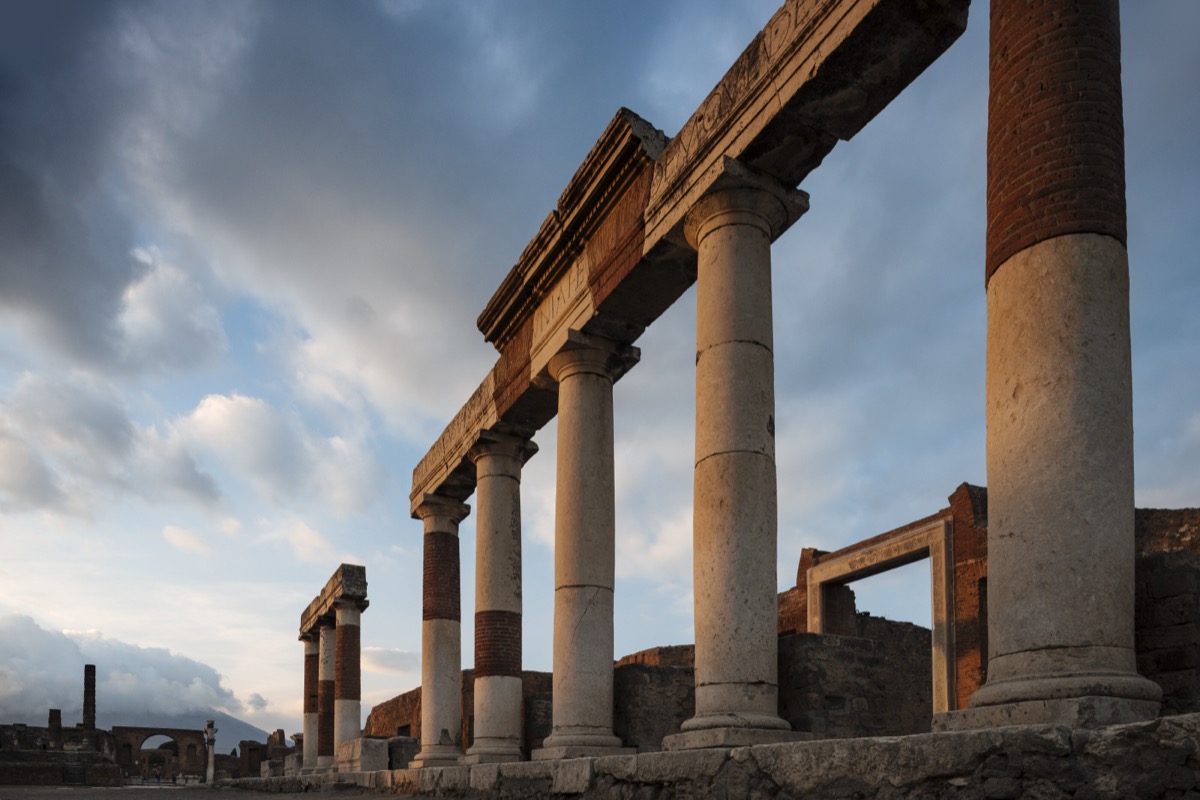
The Forum represents the political, religious, and commercial center of ancient Pompeii. This expansive plaza (38 x 142 meters) provides the perfect starting point for your visit.
Key Features:
- Temple of Jupiter (Capitolium) - The city's grandest temple
- Basilica - Ancient law courts and business center
- Macellum - The covered market
- Temple of Apollo - One of Pompeii's oldest religious sites
Visitor Tip: Visit early morning or late afternoon to avoid crowds and capture the best photos. The Forum offers stunning views of Mount Vesuvius in the background.
2. The Amphitheater: Oldest Surviving Roman Arena
Built in 70 BC, Pompeii's amphitheater is the oldest surviving Roman amphitheater in the world. This impressive structure could hold up to 20,000 spectators and showcases remarkable acoustic engineering.
Notable Features:
- Original arena floor with drainage system
- Well-preserved seating hierarchy
- Training rooms and holding cells
- Sophisticated access system
Historical Note: The amphitheater hosted the infamous gladiatorial games riot of 59 AD between Pompeii and Nuceria residents.
3. House of the Vettii: Luxury Roman Living
Recently reopened after extensive restoration, the House of the Vettii represents one of the finest examples of a wealthy merchant's home in Pompeii.
Highlights:
- Stunning frescoes depicting mythological scenes
- Preserved garden with original fountains
- Intact kitchen and serving areas
- Remarkable Priapus fresco in the entrance
4. Villa of the Mysteries: Suburban Splendor
Located just outside the city walls, this villa features some of the best-preserved frescoes in the ancient world, including the famous mystery cult initiation scene.
Must-See Elements:
- Room of the Mysteries with its enigmatic fresco cycle
- Preserved wine press
- Panoramic views of the Bay of Naples
- Original architectural features
5. Thermal Baths: Ancient Roman Spa Experience
The bath complexes demonstrate the sophistication of Roman engineering and social life.
Three Main Bath Complexes:
- Forum Baths - The most elegant
- Stabian Baths - The oldest
- Central Baths - Unfinished when Vesuvius erupted
Fascinating Fact: The baths featured underfloor heating systems and graduated temperature rooms.
6. House of the Faun: Grandest Private Residence
Occupying an entire city block, this massive residence showcases the height of Roman luxury and architectural achievement.
Key Attractions:
- Famous "Cave Canem" (Beware of Dog) mosaic
- Copy of the Alexander Mosaic
- Four different garden areas
- Impressive atrium with impluvium
7. Lupanare: Insight into Roman Society
The famous two-story structure provides fascinating insights into Roman social history and daily life.
Points of Interest:
- Original frescoes
- Preserved graffiti
- Stone beds
- Architectural layout
Note: Due to subject matter, parental guidance is advised.
8. Via dell'Abbondanza: Main Commercial Street
The city's busiest thoroughfare offers excellent examples of Roman urban life and commerce.
Features to Notice:
- Shop fronts with original counters
- Electoral propaganda
- Stepping stones for crossing streets
- Wheel ruts from ancient carts
9. Garden of the Fugitives: Poignant Reminders
This area contains the famous plaster casts of Vesuvius victims, providing a moving reminder of the human tragedy.
Important Aspects:
- 13 body casts
- Original vineyard layout
- Archaeological methodology
- Historical context
10. Temple of Isis: Egyptian Influence in Pompeii
This exceptionally well-preserved temple demonstrates the influence of Egyptian culture in Roman society.
Highlights:
- Original decorative elements
- Sacred water tank
- Priest's quarters
- Ritual objects
Planning Your Visit
Best Times to Visit:
- April-May or September-October for mild weather
- Early morning (8:30-10:30 AM) or late afternoon (3:30-5:00 PM)
- Weekdays tend to be less crowded than weekends
Essential Tips:
- Book your tickets in advance to avoid queues
- Hire a professional guide for deeper insights
- Allow 4-6 hours for a thorough visit
- Bring water, sun protection, and comfortable walking shoes
- Download our free [interactive map](/maps)
Conclusion
These ten attractions represent the must-see highlights of Pompeii, but they're just the beginning of what this remarkable site has to offer. Consider taking one of our guided tours to fully appreciate the historical and archaeological significance of each location. For the most immersive experience, combine your visit with our virtual tour preview before arriving.
Related Articles:
- Complete Guide to Visiting Pompeii in 2025
- Best Time to Visit Pompeii: Month by Month Guide
- Understanding Pompeii's Destruction: The Eruption of 79 AD
Frequently Asked Questions
What are the must‑see highlights?
Forum, House of the Vettii, Amphitheatre, Villa of the Mysteries, Stabian Baths — see top attractions for a mapped route.
How long should I plan?
At least 3–4 hours; a full day lets you see major areas without rushing. Guided routes help prioritize.
{"@context":"https://schema.org","@type":"FAQPage","mainEntity":[{"@type":"Question","name":"What are the must‑see highlights?","acceptedAnswer":{"@type":"Answer","text":"Forum, House of the Vettii, Amphitheatre, Villa of the Mysteries, Stabian Baths — see top attractions for a mapped route."}},{"@type":"Question","name":"How long should I plan?","acceptedAnswer":{"@type":"Answer","text":"At least 3–4 hours; a full day lets you see major areas without rushing. Guided routes help prioritize."}}]}
Forum, House of the Vettii, Amphitheatre, Villa of the Mysteries, Stabian Baths — see top attractions for a mapped route.
How long should I plan?
At least 3–4 hours; a full day lets you see major areas without rushing. Guided routes help prioritize.