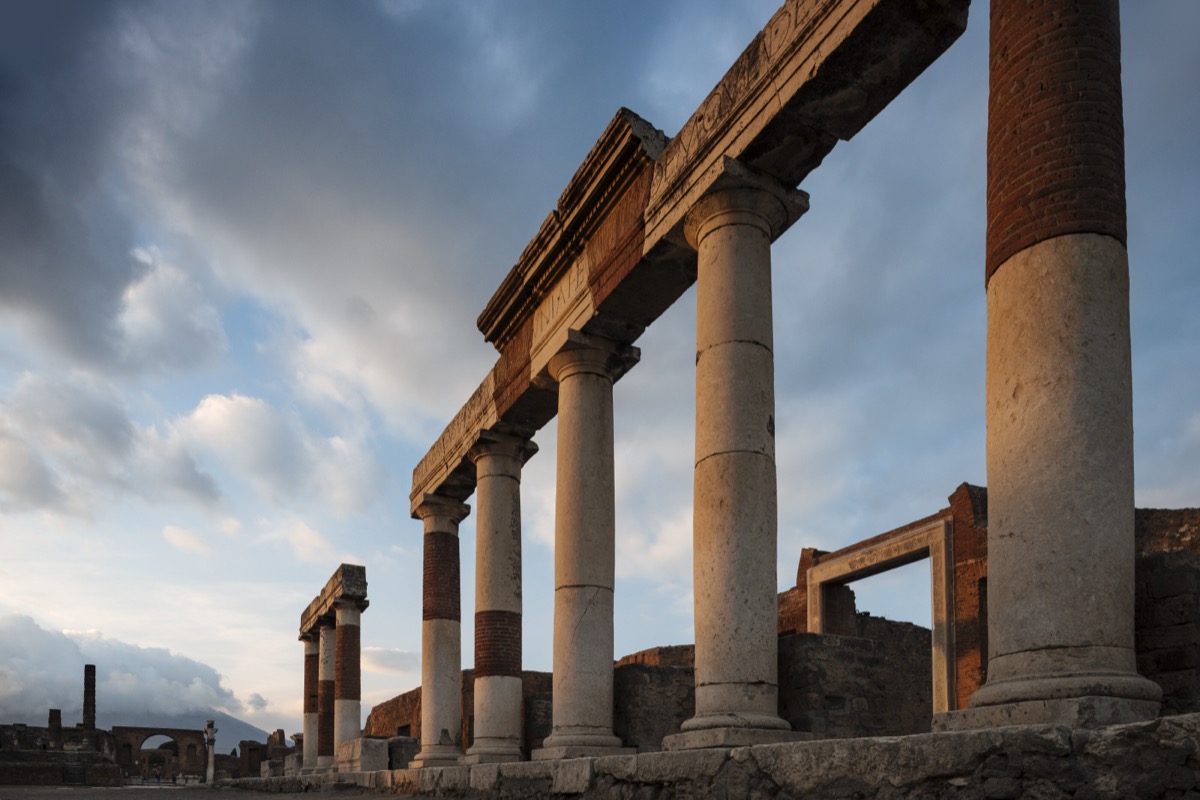
Discover practical tips for your visit. visitor guide, tickets, history of Pompeii
When Mount Vesuvius erupted in 79 AD, destroying Pompeii and the surrounding cities, the Roman Empire was under the rule of Emperor Titus. This pivotal moment in history not only preserved an ancient Roman city for future generations but also marked a defining period in the reign of one of Rome's most intriguing emperors.
The Rise of Emperor Titus
Before ascending to the imperial throne, Titus Caesar Vespasianus had already established himself as a formidable military commander and capable administrator. Born in 39 AD, he was the eldest son of Vespasian, who founded the Flavian dynasty. Titus's path to power reflects the complex nature of Roman imperial politics and provides fascinating context for modern visitors exploring the ruins of Pompeii.
Military Success and Political Ascent
- Distinguished service in Britain and Germania
- Crucial role in the Jewish War (66-73 AD)
- Conquest of Jerusalem in 70 AD
- Co-ruler with his father Vespasian from 71 AD
The Fateful Summer of 79 AD
When Titus became emperor following his father's death in 79 AD, he could not have anticipated that one of the ancient world's most catastrophic natural disasters would occur during his first months in power. The eruption of Mount Vesuvius tested his leadership abilities and response to crisis.
The Imperial Response
As reports of the disaster reached Rome, Titus took several immediate actions:
- Appointed a committee of relief and recovery (curatores restituendae Campaniae)
- Allocated imperial funds for disaster relief
- Personally visited the disaster area to assess damage
- Initiated recovery efforts in the affected regions
Titus's Legacy in the Pompeii Region
Modern visitors to Pompeii can discover numerous connections to Titus's reign throughout the archaeological site. His brief but significant tenure as emperor (79-81 AD) left lasting marks on the region's history and architecture.
Key Sites Connected to Titus
-
The Forum Area
- Central administration building renovations from the Flavian period
- Imperial cult artifacts and inscriptions
- Evidence of post-earthquake repairs initiated under Vespasian and continued by Titus
-
Temple of Vespasian
- Dedicated to Titus's deified father
- Important example of imperial cult architecture
- Visible remains of Flavian-era construction techniques
Visitor's Guide to Titus-Era Pompeii
For modern travelers interested in exploring this fascinating period of Roman history, several key locations offer insights into the time of Titus and the Vesuvius eruption.
Essential Stops on Your Historical Tour
1. The Forum District
- Location: Central Pompeii
- Visiting Hours: 9:00 AM - 7:00 PM (April-October)
- Historical Significance: Administrative center during Titus's reign
- Must-See Features:
- Imperial inscriptions
- Administrative building remains
- Temple dedications from the Flavian period
2. Villa of the Mysteries
- Location: Suburban area of Pompeii
- Time Period: Restored during Flavian dynasty
- Architectural Features:
- Frescoes from the period
- Evidence of 62 AD earthquake repairs
- Luxury villa architecture typical of the era
Planning Your Visit
Best Times to Explore Titus-Era Sites
- Early morning (8:30-10:30 AM) for fewer crowds
- Spring (March-May) or autumn (September-November) for optimal weather
- Weekdays for more relaxed exploration
Practical Tips
- Guided Tours
- Book specialized archaeological tours
- Request guides knowledgeable in Flavian history
- Consider combined Naples Museum tours for context
- Essential Information
- Wear comfortable walking shoes
- Bring water and sun protection
- Allow 4-6 hours for thorough exploration
- Download offline maps and historical guides
The Historical Impact of Titus's Reign
Titus's brief reign (79-81 AD) coincided with several significant events that shaped Roman history. The Vesuvius eruption, while catastrophic, preserved a unique snapshot of Roman life during the Flavian dynasty.
Major Achievements During Titus's Rule
- Completion of the Colosseum
- Effective disaster response to Vesuvius
- Public health initiatives in Rome
- Continuation of Flavian building programs
Modern Archaeological Discoveries
Recent excavations continue to reveal new information about Pompeii during Titus's reign:
Latest Findings
- Newly discovered inscriptions mentioning the Flavian dynasty
- Evidence of reconstruction efforts after the 62 AD earthquake
- Artifacts showing economic activity just before the eruption
- Preserved documents indicating administrative procedures
Tips for History Enthusiasts
To fully appreciate the historical context of Titus's era while visiting Pompeii:
-
Research Preparation
- Read contemporary accounts like Pliny the Younger's letters
- Study maps of ancient Pompeii
- Understand Flavian dynasty history
-
On-Site Experience
- Use augmented reality apps for historical context
- Take detailed notes and photos
- Compare ancient and modern city layouts
Conservation Efforts and Future Research
Modern archaeological work continues to preserve and study sites from Titus's era:
Current Projects
- Digital mapping of Flavian-period structures
- Conservation of period frescoes
- Archaeological analysis of construction techniques
- Study of imperial administration evidence
Practical Information for Visitors
Getting There
- Train: Circumvesuviana line to Pompei Scavi-Villa dei Misteri
- Bus: Regular services from Naples and Sorrento
- Car: Parking available at official lots
Essential Services
- Audio guides available in multiple languages
- Guided tours focusing on imperial history
- Educational programs for students
- Research facilities for scholars
Making the Most of Your Historical Journey
Understanding the connection between Emperor Titus and the Vesuvius disaster adds depth to any visit to Pompeii. As you walk through the ancient streets, you'll be following in the footsteps of one of Rome's most significant emperors during one of history's most dramatic moments.
Final Tips for Visitors
- Consider multi-day passes for thorough exploration
- Join specialized historical tours
- Visit related sites in Naples and Rome
- Explore the Naples Archaeological Museum
The story of Emperor Titus and the Vesuvius eruption continues to fascinate visitors to Pompeii. By understanding this crucial period in Roman history, modern travelers can better appreciate the remarkable preservation of this ancient city and the dramatic events that both destroyed and preserved it for future generations.
This tragic event during Titus's reign provided an unparalleled window into Roman life, making Pompeii one of the world's most important archaeological sites. As you explore these ancient ruins, remember that you're witnessing not just a disaster, but a moment frozen in time during the reign of an emperor who faced one of history's most devastating natural catastrophes.