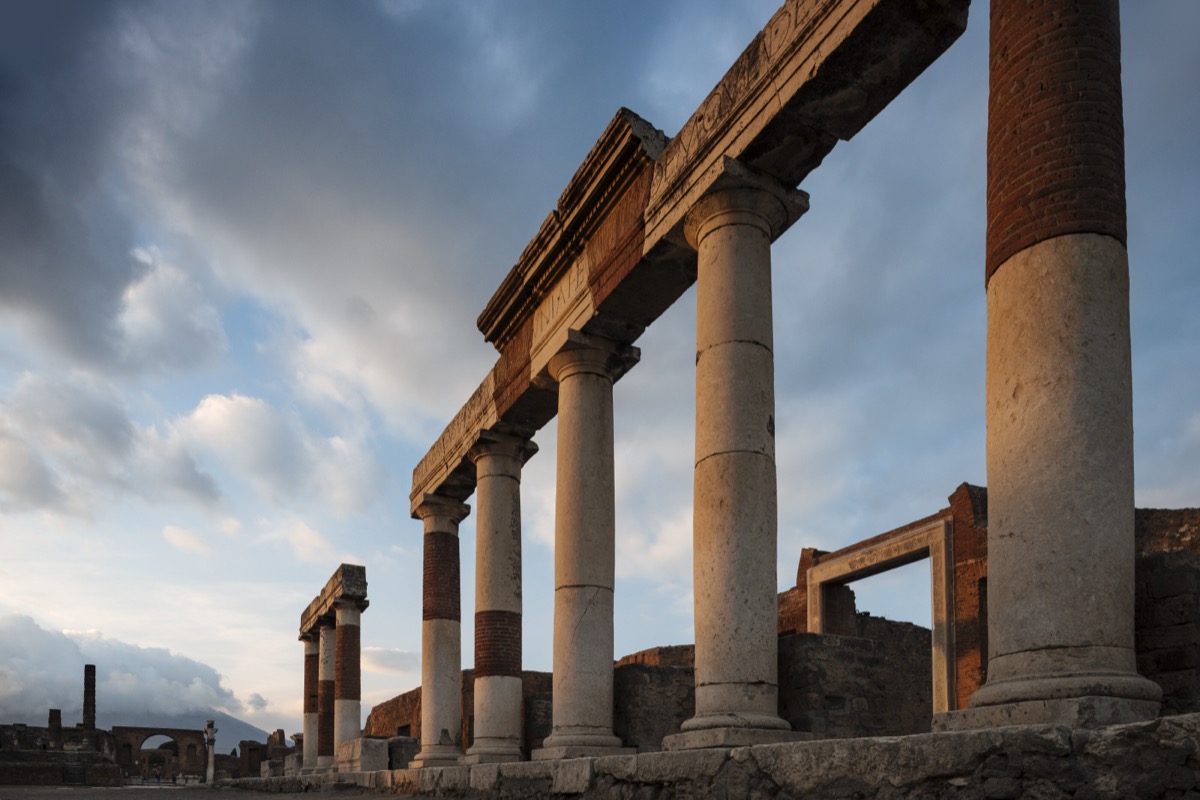
Discover practical tips for your visit. visitor guide, tickets, history of Pompeii
Choosing between Pompeii and Herculaneum is one of the most common dilemmas for travelers visiting the Naples region. Both ancient Roman cities were destroyed by Mount Vesuvius in 79 AD, but they offer dramatically different experiences today. This comprehensive comparison will help you decide which site matches your interests, schedule, and travel style—or whether you should visit both.
🎯 Quick Decision Framework
Choose Pompeii if you want:
- Iconic bucket-list experience with world-famous plaster casts
- Large-scale exploration with multiple hours of discovery
- Classic Roman city layout with forum, amphitheater, and temples
- Photography opportunities with Vesuvius backdrop
- Rich tour options including audio guides and specialized themes
Choose Herculaneum if you prefer:
- Superior preservation with intact wooden structures and mosaics
- Intimate, focused experience in 2-3 hours
- Better-preserved artifacts including everyday Roman objects
- Fewer crowds and more contemplative atmosphere
- Architectural details like second floors and room decorations
Visit both if you have:
- 2+ days in the Naples area
- Deep interest in Roman archaeology
- Flexible schedule and transportation
- Budget for multiple site admissions
📊 Side-by-Side Comparison Chart
| Factor | Pompeii | Herculaneum | Winner | | ----------------------------- | ------------------------------ | ---------------------------- | -------------------------- | | Size | 66 hectares (163 acres) | 20 hectares (49 acres) | Pompeii | | Visit Duration | 4-8 hours | 2-3 hours | Depends on preference | | Preservation Quality | Good overall, variable by area | Excellent throughout | Herculaneum | | Daily Visitors | 8,000-20,000 | 1,500-3,000 | Herculaneum (less crowded) | | Ticket Price | €18-25 | €13-16 | Herculaneum | | Audio Guide Availability | Excellent (10+ languages) | Good (6 languages) | Pompeii | | Accessibility | Moderate (some rough paths) | Better (smoother walkways) | Herculaneum | | Photography Opportunities | Iconic shots with Vesuvius | Detailed architectural shots | Tie | | Historical Significance | Extremely high (UNESCO) | Very high (UNESCO) | Tie | | Unique Features | Plaster casts, amphitheater | Wooden structures, mosaics | Tie |
🏛️ Detailed Site Comparison
Scale and Layout Differences
Pompeii: The Roman Metropolis
Population at destruction: ~15,000 residents
Current excavated area: 44 hectares (two-thirds of total city)
Walking distance: 3-5 miles of pathways
What this means for your visit:
- Overwhelming at first - requires strategy to see highlights
- Multiple distinct neighborhoods with different characters
- Long sight lines and grand perspectives
- Easy to get lost without map or guide
- Can feel rushed even with full day
Key districts to explore:
- Forum area: Political and religious center
- Theatrical quarter: Entertainment district with amphitheater
- Villa district: Wealthy residential area
- Commercial streets: Via dell'Abbondanza with shops and taverns
- Red light district: Including famous brothel with erotic frescoes
Herculaneum: The Intimate Seaside Town
Population at destruction: ~5,000 residents
Current excavated area: 4.5 hectares (estimated 25% of total city)
Walking distance: 1-2 miles of pathways
What this means for your visit:
- Manageable size allows thorough exploration
- Every building offers significant details
- Coherent narrative from entrance to exit
- Rarely feels overwhelming or rushed
- Quality over quantity approach
Key areas to explore:
- Waterfront area: Ancient beach with boat shelters
- House of Neptune: Stunning mosaic preservation
- Samnite House: Multi-story Roman architecture
- Central Baths: Best-preserved Roman bath complex
- Villa of Papyri: Philosophical library (partially accessible)
🎨 Preservation Quality Deep Dive
Why Herculaneum is Better Preserved
The volcanic difference:
- Pompeii: Buried under 4-6 meters of pumice and ash
- Herculaneum: Sealed under 16 meters of volcanic mud (pyroclastic flow)
Preservation impact:
- Herculaneum's mud hardened into tuff rock, creating airtight seal
- Organic materials survived: wood, textiles, food, scrolls
- Colors remain more vivid after 2,000 years
- Structural integrity maintained better
What you'll see preserved at Herculaneum:
✅ Wooden balconies and shutters (impossible at Pompeii)
✅ Intact second floors with original staircases
✅ Vibrant frescoes with original color saturation
✅ Mosaics in perfect condition including fine details
✅ Everyday objects: bread loaves, wax tablets, fishing nets
✅ Human remains: Better-preserved skeletons showing life details
What Pompeii offers instead:
✅ Famous plaster casts of victims in final moments
✅ Large-scale urban planning visible across neighborhoods
✅ Graffiti and street art preserved on exterior walls
✅ Complete building types: theaters, amphitheater, temples
✅ Street life evidence: cart ruts, stepping stones, fountains
👥 Crowd Experience Analysis
Pompeii Crowd Patterns
Peak season reality (July-August):
- 15,000-20,000 daily visitors
- Tour groups of 30-50 people common
- Bottlenecks at highlights (Forum, brothel, plaster casts)
- Difficult photography without people in frame
- Noise levels can detract from historical atmosphere
Shoulder season experience (April-June, September-October):
- 8,000-12,000 daily visitors
- More manageable but still busy at highlights
- Better photography opportunities
- Shorter wait times at entrances
Off-season advantages (November-March):
- 3,000-6,000 daily visitors
- Quiet, contemplative experience possible
- Easy access to all areas
- Better guide availability and attention
Herculaneum Crowd Patterns
Peak season reality:
- 2,000-3,000 daily visitors maximum
- Smaller tour groups (15-25 people)
- Rarely feels overcrowded even in summer
- Better preservation of atmospheric experience
- Quieter environment for contemplation
Why Herculaneum stays less crowded:
- Smaller size limits comfortable capacity
- Less famous internationally
- Fewer tour bus itineraries include it
- More challenging transportation from some locations
- No major iconic "must-see" photo ops driving mass tourism
Crowd management advantage: Even during peak times, Herculaneum's smaller scale means you can easily find quiet areas for reflection.
💰 Cost Comparison & Budget Analysis
Direct Ticket Costs (2025 prices)
Individual Site Tickets:
- Pompeii standard entry: €18-25 (seasonal pricing)
- Herculaneum standard entry: €13-16 (seasonal pricing)
- Savings by visiting Herculaneum: €5-9 per person
Combination Tickets:
- Pompeii + Herculaneum combo: €22 (save €7-19 vs individual)
- Three sites (+ Oplontis): €28 (excellent value for archaeology enthusiasts)
- Annual pass: €45 (worthwhile for local stays or repeat visits)
Total Experience Costs
Budget Breakdown for Pompeii:
- Entry ticket: €20 (average)
- Audio guide: €8
- Guidebook: €10
- Water/snacks: €10
- Transport to/from: €6
- Total: €54 per person
Budget Breakdown for Herculaneum:
- Entry ticket: €15 (average)
- Audio guide: €7
- Guidebook: €8
- Water/snacks: €5
- Transport to/from: €6
- Total: €41 per person
Hidden Cost Factors:
Pompeii additional expenses:
- Longer visit = more food/drink purchases
- Higher likelihood of guided tour upgrade
- Souvenir shop pressure (larger, more prominent)
- Potential taxi costs if walking becomes difficult
Herculaneum cost advantages:
- Shorter visit duration
- Less physical demanding (fewer refreshment stops)
- Smaller gift shop (less impulse purchasing)
- Walking distance manageable for most fitness levels
🕒 Time Investment & Planning
Pompeii Time Requirements
Minimum visit durations:
- First-time highlights tour: 3 hours
- Comprehensive exploration: 5-6 hours
- Archaeological enthusiast: Full day (8+ hours)
- Photography focus: Multiple visits recommended
Time allocation strategy:
- Hour 1: Forum and surrounding temples
- Hour 2: Villa of Mysteries or House of Vettii
- Hour 3: Via dell'Abbondanza and commercial areas
- Hour 4+: Amphitheater, additional villas, gardens
Energy management:
- High physical demand due to size
- Multiple rest breaks essential
- Consider split visit (morning/evening) in hot weather
- Comfortable shoes absolutely critical
Herculaneum Time Requirements
Typical visit durations:
- First-time highlights: 2 hours
- Thorough exploration: 3 hours
- Detailed study: 4 hours maximum
- Repeat visit value: High (notice new details each time)
Time allocation strategy:
- First 30 minutes: Orientation and House of Neptune
- Next hour: Central Baths and Samnite House
- Final 30-60 minutes: Waterfront area and Villa of Papyri
- Optional extension: Focused photography or sketching time
Energy management:
- Moderate physical demand
- Manageable walking distances
- Natural progression through site
- Less rushing, more contemplation possible
🚊 Transportation & Accessibility
Getting to Each Site
Pompeii Access:
From Naples: Circumvesuviana train to "Pompei Scavi - Villa dei Misteri"
- Duration: 35 minutes
- Frequency: Every 20-30 minutes
- Cost: €3.20 each way
- Walk to entrance: 2 minutes
From Sorrento: Circumvesuviana train (opposite direction)
- Duration: 30 minutes
- Same frequency and cost
From Rome: High-speed train to Naples, then local train
- Total time: 3+ hours
- Cost: €45-80 depending on train choice
Herculaneum Access:
From Naples: Circumvesuviana train to "Ercolano Scavi"
- Duration: 25 minutes
- Same frequency as Pompeii line
- Cost: €2.80 each way
- Walk to entrance: 8-10 minutes downhill (uphill return)
Combined visit transportation:
- Pompeii to Herculaneum: 15 minutes by train
- Easy same-day combination
- Consider starting with farther site first
Accessibility Considerations
Pompeii accessibility challenges:
- Extensive uneven ancient stone paths
- Limited wheelchair-accessible routes (about 30% of site)
- Long distances between highlights
- Few shaded rest areas
- Challenging for mobility limitations
Herculaneum accessibility advantages:
- Smoother, more consistent walkways
- Better wheelchair accessibility (about 60% of site)
- Shorter walking distances overall
- More frequent shaded areas
- Manageable for most mobility levels
Accessibility verdict: Herculaneum is significantly more accessible for travelers with mobility limitations.
📸 Photography Comparison
Pompeii Photography Opportunities
Iconic shots you can only get at Pompeii:
- Forum with Vesuvius backdrop - Classic postcard view
- Plaster casts of victims - Powerful historical documentation
- Amphitheater interior - Roman entertainment architecture
- Via dell'Abbondanza perspective - Ancient street life
- Villa of Mysteries frescoes - Mystery religion artwork
Best photography times at Pompeii:
- Morning (9-11 AM): Soft light on Forum and temples
- Golden hour (2 hours before sunset): Dramatic Vesuvius shots
- Overcast days: Even lighting for detail shots
Photography challenges:
- Crowds in frame during peak season
- Harsh shadows on bright days
- Limited elevated perspectives
- Flash restrictions in certain areas
Herculaneum Photography Opportunities
Unique shots only possible at Herculaneum:
- Neptune mosaic close-ups - Incredible detailed preservation
- Intact wooden balconies - Impossible to find elsewhere
- Multi-story interior views - Roman apartment architecture
- Colorful fresco details - Superior color preservation
- Ancient carbonized objects - Bread, scrolls, everyday items
Photography advantages:
- Better lighting in covered areas
- Fewer crowds disrupting shots
- Superior preservation = more dramatic details
- Easier to capture without modern intrusions
Photography verdict: Pompeii for iconic travel shots, Herculaneum for artistic and architectural details.
🎓 Educational Value Comparison
Learning Opportunities at Pompeii
What Pompeii teaches uniquely:
- Roman urban planning - Complete city layout visible
- Social stratification - Clear wealth differences between neighborhoods
- Public life - Forums, theaters, amphitheaters, baths
- Commercial activities - Shops, taverns, markets, workshops
- Religious practices - Multiple temples to different gods
- Final moments - Human drama of destruction through plaster casts
Educational resources:
- Extensive audio guide options (10+ languages)
- Multiple guidebook choices
- Educational apps with AR features
- School group programs
- Specialized themed tours (history, art, social life)
Learning Opportunities at Herculaneum
What Herculaneum teaches uniquely:
- Daily Roman life - Preserved everyday objects show actual lifestyle
- Architecture techniques - Construction methods visible in detail
- Preservation science - How archaeological conservation works
- Roman luxury - Wealthy seaside resort lifestyle
- Natural disaster impact - Different destruction pattern than Pompeii
- Cultural artifacts - Library scrolls, artistic objects, fine crafts
Educational advantages:
- More focused narrative easier to follow
- Better preserved context for artifacts
- Less overwhelming for first-time ancient site visitors
- Superior for understanding Roman domestic life
Educational verdict: Pompeii for broad Roman civilization understanding, Herculaneum for detailed daily life insights.
👨👩👧👦 Best Choice by Traveler Type
Families with Children
Choose Pompeii if:
- Children are interested in dramatic history (plaster casts)
- Family enjoys longer exploration adventures
- Kids respond well to grand scale and famous sites
- You have full day available
Choose Herculaneum if:
- Shorter attention spans in your group
- Family prefers detailed, focused experiences
- Children are interested in how people actually lived
- You want less overwhelming introduction to ancient sites
Family recommendation: Herculaneum for children under 12, Pompeii for teenagers and history-focused families.
First-Time Italy Visitors
Pompeii advantages:
- Bucket-list recognition factor
- More comprehensive Roman experience
- Better tour guide availability
- Iconic photo opportunities for social media
Herculaneum advantages:
- More manageable and less overwhelming
- Better preserved = more impressive details
- Easier to appreciate without extensive background knowledge
- Higher quality experience in shorter time
First-timer recommendation: If you only have time for one, choose Pompeii for the iconic experience, but consider Herculaneum if you prefer quality over quantity.
Photography Enthusiasts
Pompeii strengths:
- Iconic shots everyone recognizes
- Dramatic scale and perspectives
- Vesuvius backdrop opportunities
- Variety of architectural subjects
Herculaneum strengths:
- Superior preservation = better details
- More intimate and artistic compositions
- Better color preservation in frescoes
- Unique subjects not available elsewhere
Photography recommendation: Serious photographers should visit both, starting with Herculaneum for details then Pompeii for scale and drama.
History and Archaeology Buffs
Academic interest factors:
- Pompeii: Broader scope of Roman urban civilization
- Herculaneum: Deeper insight into preservation and daily life
- Both: Essential for complete understanding of Vesuvius event
Scholar recommendation: Both sites essential - each provides unique perspectives impossible to get elsewhere.
🗓️ Combination Visit Strategies
Same-Day Visit Option
Timeline for both sites:
Morning (9:00 AM - 1:00 PM): Pompeii
- Start early to avoid crowds
- Focus on highlights (Forum, Villa of Mysteries, main streets)
- Take train to Herculaneum
Afternoon (2:30 PM - 5:30 PM): Herculaneum
- Thorough exploration of smaller site
- Better lighting for detail photography
- Less rushed pace after Pompeii overview
Energy management:
- Substantial walking involved (6+ miles total)
- Bring comfortable shoes and plenty of water
- Consider lighter breakfast, good lunch between sites
- Only for physically fit travelers
Logistics:
- Transport between: 15 minutes + walking time
- Tickets: Buy combo ticket in advance
- Luggage: Storage lockers available at both sites
Multi-Day Visit Option (Recommended)
Day 1: Pompeii Deep Dive
- Full morning arrival (9:00 AM)
- Comprehensive exploration with breaks
- Lunch in modern Pompeii town
- Afternoon return for different lighting
- Evening: Pompeii town restaurants and local experience
Day 2: Herculaneum + Region
- Morning Herculaneum visit (9:00 AM)
- Afternoon: Naples Archaeological Museum (houses many artifacts)
- Alternative afternoon: Mount Vesuvius climb
- Evening: Naples historic center exploration
Benefits of multi-day approach:
- Less physical stress and fatigue
- Time for reflection between sites
- Opportunity to compare experiences
- Allows for weather contingency
- Better photography opportunities
☀️ Weather and Seasonal Considerations
Best Seasons for Each Site
Pompeii seasonal factors:
- Summer challenges: Extreme heat on exposed stone, minimal shade
- Winter advantages: Clear views, fewer crowds, dramatic lighting
- Spring/Fall optimal: Comfortable walking, good photography light
Herculaneum seasonal advantages:
- More indoor/covered areas provide weather protection
- Better in hot weather due to shorter exposure time
- Superior winter option with covered walkways and shorter visit
Weather-Specific Recommendations:
Hot Weather (July-August):
Better choice: Herculaneum
- Shorter exposure time
- More shade coverage
- Less walking overall
- Manageable even in extreme heat
Rainy Weather:
Better choice: Herculaneum
- More covered areas
- Shorter exposure to elements
- Still worthwhile experience even in poor weather
- Many key features under roofs
Perfect Weather (May, September):
Best choice: Both sites
- Ideal conditions for Pompeii's scale
- Perfect lighting for Herculaneum's details
- Comfortable for full-day exploration
🎯 Final Recommendations
If You Can Only Choose One:
Choose Pompeii if:
- This is a once-in-a-lifetime Italy trip
- You want the classic bucket-list experience
- You have strong interest in Roman civilization broadly
- You don't mind crowds and prefer famous landmarks
- You have full day available and good physical stamina
Choose Herculaneum if:
- You prefer intimate, high-quality experiences
- You're interested in daily life and preservation details
- You have limited time or energy
- You want better value and fewer crowds
- You're traveling with children or elderly family members
If You Can Visit Both:
Optimal sequence:
- Start with Herculaneum - provides focused introduction to Roman life
- Follow with Pompeii - appreciate scale and urban planning after understanding details
- End with Naples Archaeological Museum - see artifacts in context after visiting sites
Time allocation:
- Minimum: 2 days (one site per day)
- Optimal: 3 days (includes Naples museum and rest time)
- Luxury: 4-5 days (allows for repeat visits and region exploration)
Conclusion
Both Pompeii and Herculaneum are extraordinary archaeological sites that offer unique windows into ancient Roman life. Your choice depends on your travel style, time constraints, and interests:
Pompeii provides the grand, iconic experience with impressive scale and world-famous discoveries. It's the site that most closely matches travelers' expectations of ancient Roman cities and offers the classic bucket-list experience.
Herculaneum delivers an intimate, perfectly preserved glimpse into daily Roman life with superior artifacts and manageable exploration. It's the better choice for travelers who prefer quality over quantity and want to avoid overwhelming crowds.
The ideal solution is visiting both sites if your schedule allows, as they complement each other perfectly - Herculaneum for details and preservation, Pompeii for scope and drama.
Whichever you choose, you'll experience one of humanity's most fascinating archaeological treasures and gain deep insights into life in ancient Rome. The decision isn't about right or wrong - it's about matching your preferences to the site that will provide your most memorable experience.
Ready to book your ancient Roman adventure? Consider your answers to this guide's questions, check current availability for your travel dates, and prepare for an unforgettable journey back in time.
Frequently Asked Questions
Pompeii or Herculaneum — which should I choose?
Pompeii is larger with more areas to explore; Herculaneum preserves upper floors and vivid interiors. If you have one day, choose Pompeii; if you love frescoes and compact visits, Herculaneum shines. See top attractions.