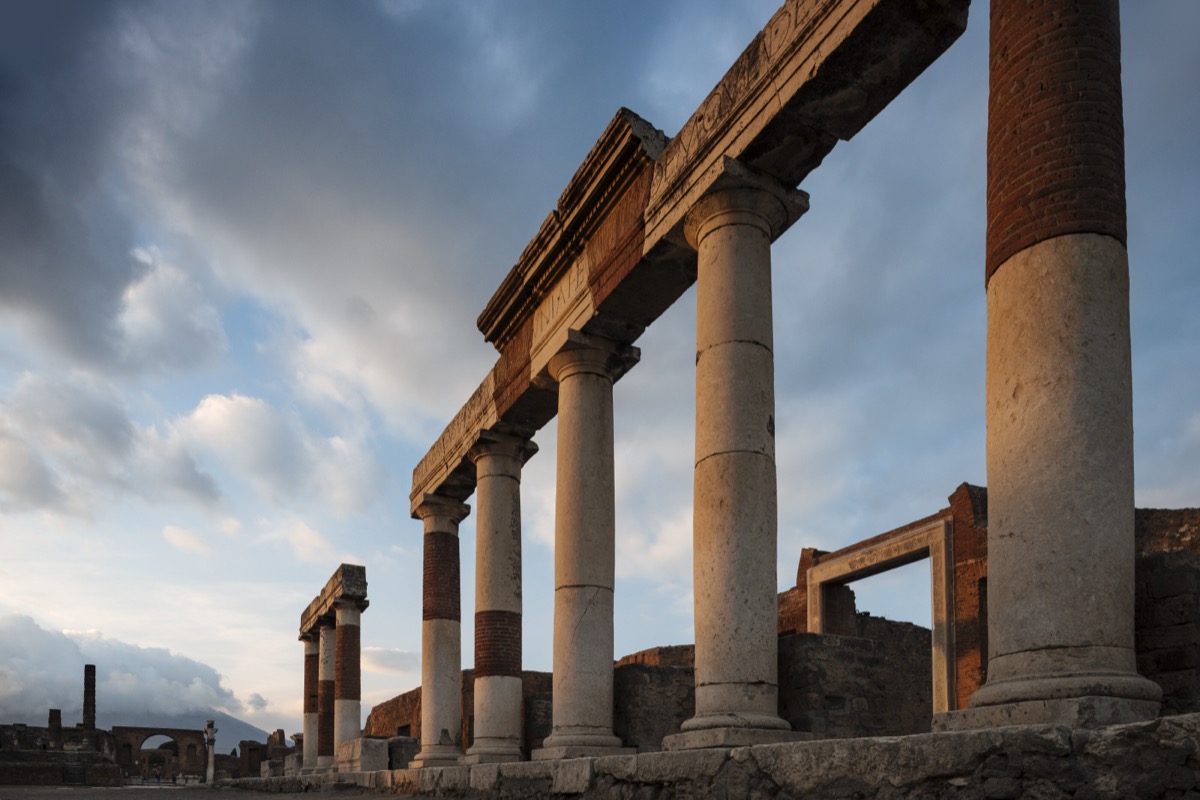
Pompeii Or Herculaneum Which Is Better? Complete 2025 Comparison
Pompeii Or Herculaneum Which Is Better? Complete 2025 Comparison. Discover practical tips for your visit. visitor guide, tickets, history of Pompeii
Decide between Pompeii and Herculaneum with this comprehensive 2025 comparison. Learn the key differences in size, preservation, crowds, and unique features to choose the perfect ancient Roman site for your Italy itinerary.
Quick decision guide
Choose Pompeii if you want:
- Iconic archaeological experience with famous plaster casts
- Large-scale Roman city layout with forums and theaters
- Full day exploration with diverse building types
- Classic tourist experience with Mount Vesuvius views
- Historical significance and world-famous recognition
Choose Herculaneum if you prefer:
- Superior preservation with intact upper floors
- Intimate experience with fewer crowds
- Half-day visit perfect for tight schedules
- Better frescoes with original vibrant colors
- Quality over quantity approach to ruins
Detailed comparison breakdown
Size and exploration time
Pompeii - The ancient metropolis:
- Total area: 170 acres (66 hectares)
- Wall perimeter: 2 miles (3.2 km)
- Population at destruction: 15,000-20,000 people
- Minimum visit time: 3-4 hours
- Comprehensive tour: 6-8 hours
- Walking distance: 5-8 km depending on route
Herculaneum - The compact treasure:
- Total area: 20 acres (8 hectares)
- Excavated portion: Only 25% of ancient city
- Population at destruction: 4,000-5,000 people
- Minimum visit time: 2 hours
- Thorough exploration: 3-4 hours
- Walking distance: 2-3 km maximum
Preservation quality
Herculaneum's superior condition:
- Burial type: Volcanic mud and ash (pyroclastic flow)
- Preservation result: Organic materials survived
- Unique features:
- Carbonized wooden beams and furniture
- Two-story buildings with intact roofs
- Original door frames and staircases
- Papyrus scrolls (Villa of the Papyri)
- Actual human skeletons in boathouses
Pompeii's archaeological value:
- Burial type: Volcanic rocks and ash (lapilli)
- Preservation result: Structural layouts preserved
- Damage factors:
- Roof collapses from heavy volcanic debris
- Structural damage from seismic activity
- Limited organic material survival
- Plaster casts created from body impressions
Crowd levels and visitor experience
Pompeii - Mass tourism reality:
- Annual visitors: 3+ million
- Peak season impact: Extremely crowded (July-August)
- Queue times: 30-90 minutes in summer
- Site congestion: Popular areas overcrowded
- Photo opportunities: Challenging due to crowds
- Guided tour groups: Constant presence
Herculaneum - Peaceful exploration:
- Annual visitors: 300,000
- Crowd levels: 90% fewer visitors than Pompeii
- Queue times: Minimal (5-15 minutes)
- Site atmosphere: Contemplative and intimate
- Photo opportunities: Excellent throughout day
- Personal space: More room for reflection
Unique attractions and highlights
Pompeii's famous features:
-
Plaster casts of victims
- Garden of the Fugitives: Family group
- Various locations throughout site
- Emotional impact and historical significance
-
Iconic structures
- Forum with Mount Vesuvius backdrop
- Amphitheater (oldest surviving Roman arena)
- Large and Small Theaters
- Villa of Mysteries frescoes
-
Diverse building types
- Lupanar (brothel) with erotic frescoes
- Thermopolium (ancient fast food)
- Bakeries with millstones
- Public baths complexes
-
Street life evidence
- Stepping stones for crossing
- Wheel ruts in ancient roads
- Electoral graffiti and advertisements
- Shop signs and commercial areas
Herculaneum's exceptional preservation:
-
Villa of the Papyri
- 1,800 carbonized scrolls survived
- Luxury villa with gardens
- Inspiration for Getty Villa in California
-
House of Neptune and Amphitrite
- Stunning mosaic walls
- Vibrant blue and gold colors
- Best-preserved decorative art
-
Skeletons in boathouses
- 300+ actual human remains
- Dramatic final moments preserved
- Scientific insights into ancient DNA
-
Intact multi-story buildings
- College of the Augustals
- House of the Wooden Partition
- Samnite House with original structure
Accessibility and practical considerations
Pompeii logistics:
- Entrances: 3 main gates (Porta Marina most popular)
- Facilities: Multiple restrooms, cafeterias, shops
- Accessibility: Wheelchair route available (3km)
- Storage: Luggage storage at main entrance
- Transportation: Direct train stop (Pompei Scavi)
Herculaneum logistics:
- Entrance: Single main entrance
- Facilities: Basic amenities, smaller scale
- Accessibility: Limited due to ancient urban layout
- Storage: Minimal storage options
- Transportation: Train + 10-minute walk (Ercolano Scavi)
Cost comparison 2025
Ticket prices
Pompeii:
- Standard entry: €18
- EU citizens 18-25: €2
- Under 18: Free
- Audio guide: +€8
- House of Vettii: +€5
Herculaneum:
- Standard entry: €13
- EU citizens 18-25: €2
- Under 18: Free
- Audio guide: +€8
- No premium add-ons: Base price includes all
Value assessment
Pompeii value proposition:
- Content volume: Massive site with diverse attractions
- International recognition: World Heritage status
- Photography value: Iconic shots for social media
- Educational scope: Complete Roman city experience
- Cost per hour: €4.50-6 (3-4 hour visit)
Herculaneum value proposition:
- Quality focus: Superior preservation and detail
- Intimate experience: Personal connection to history
- Efficient visit: Maximum impact in minimum time
- Artistic value: Better frescoes and mosaics
- Cost per hour: €4.30-6.50 (2-3 hour visit)
Seasonal considerations
Summer visits (June-August)
Pompeii challenges:
- Extreme heat on exposed site
- Maximum crowds and queues
- Limited shade throughout
- Exhausting walking distances
- 2-hour queue possibilities
Herculaneum advantages:
- Manageable size in heat
- Some shaded areas
- Fewer crowds even in peak season
- Faster overall experience
- Better preserved indoor spaces
Shoulder season (April-May, September-October)
Both sites optimal:
- Pleasant temperatures
- Manageable crowds
- Good photography conditions
- Comfortable walking pace
- Extended daylight hours
Winter visits (November-March)
Site-specific considerations:
- Pompeii: Vast open areas, wind exposure
- Herculaneum: More sheltered spaces, quicker visit
- Both: Reduced crowds, atmospheric conditions
Special exhibitions and events 2025
Pompeii 2025 highlights
"DONNA: Being a Woman in Ancient Pompeii":
- Special exhibition focusing on women's lives
- New archaeological discoveries
- Interactive displays and reconstructions
- Extended until December 2025
Herculaneum ongoing features
Villa of the Papyri project:
- Continuing scroll digitization
- Virtual reality experiences
- Academic research presentations
- Limited special access tours
Transportation and location
Getting to Pompeii
Circumvesuviana train:
- Station: Pompei Scavi-Villa dei Misteri
- From Naples: 40 minutes
- Walking time: 2 minutes to entrance
- Frequency: Every 30 minutes
Getting to Herculaneum
Circumvesuviana train:
- Station: Ercolano Scavi
- From Naples: 20 minutes
- Walking time: 10 minutes downhill to entrance
- Frequency: Every 30 minutes
Can you visit both in one day?
Realistic assessment
Possible but not recommended:
- Physical exhaustion: Extensive walking at both sites
- Mental overload: Too much information to process
- Time constraints: Rushed experience at each
- Travel time: 30-40 minutes between sites
Better alternatives
Two-day strategy:
- Day 1: Pompeii (full day)
- Day 2: Herculaneum + Vesuvius combination
- Allows proper appreciation of each site
Half-day combinations:
- Morning: Herculaneum (2-3 hours)
- Afternoon: Naples Archaeological Museum
- View artifacts from both sites in climate-controlled environment
Expert recommendations by visitor type
First-time Italy visitors
Choose Pompeii:
- More comprehensive Roman experience
- Internationally recognized significance
- Better photo opportunities
- Greater educational value
- Classic "bucket list" experience
Archaeology enthusiasts
Choose Herculaneum:
- Superior preservation quality
- Unique organic material survival
- Scientific significance
- Fewer tourists, more contemplation
- Academic research opportunities
Families with children
Choose Herculaneum:
- Manageable size prevents fatigue
- Better preserved features hold attention
- Shorter visit duration suits attention spans
- Less crowded, safer environment
- More dramatic visual impact
Senior travelers
Choose Herculaneum:
- Reduced walking requirements
- More frequent rest opportunities
- Better preserved buildings provide shade
- Less physically demanding
- Shorter overall commitment
Photography enthusiasts
Split decision:
- Pompeii: Iconic shots, Mount Vesuvius backdrop
- Herculaneum: Better preserved details, vibrant colors
- Consider visiting both if photography is primary goal
Conclusion
Both Pompeii and Herculaneum offer extraordinary glimpses into ancient Roman life, but they provide different experiences. Pompeii delivers the classic archaeological adventure with its vast scale, famous plaster casts, and iconic status, making it ideal for first-time visitors with full days available. Herculaneum offers superior preservation, intimate exploration, and vibrant frescoes in a manageable half-day visit, perfect for travelers seeking quality over quantity. For most visitors choosing between them, Pompeii provides the more complete Roman city experience, while Herculaneum offers better-preserved glimpses into daily life with dramatically fewer crowds. If time permits, visiting both on separate days provides the most comprehensive understanding of how Vesuvius preserved these ancient treasures in different but equally fascinating ways.
Frequently Asked Questions
Pompeii or Herculaneum — which should I choose?
Pompeii is larger with more areas to explore; Herculaneum preserves upper floors and vivid interiors. If you have one day, choose Pompeii; if you love frescoes and compact visits, Herculaneum shines. See top attractions.