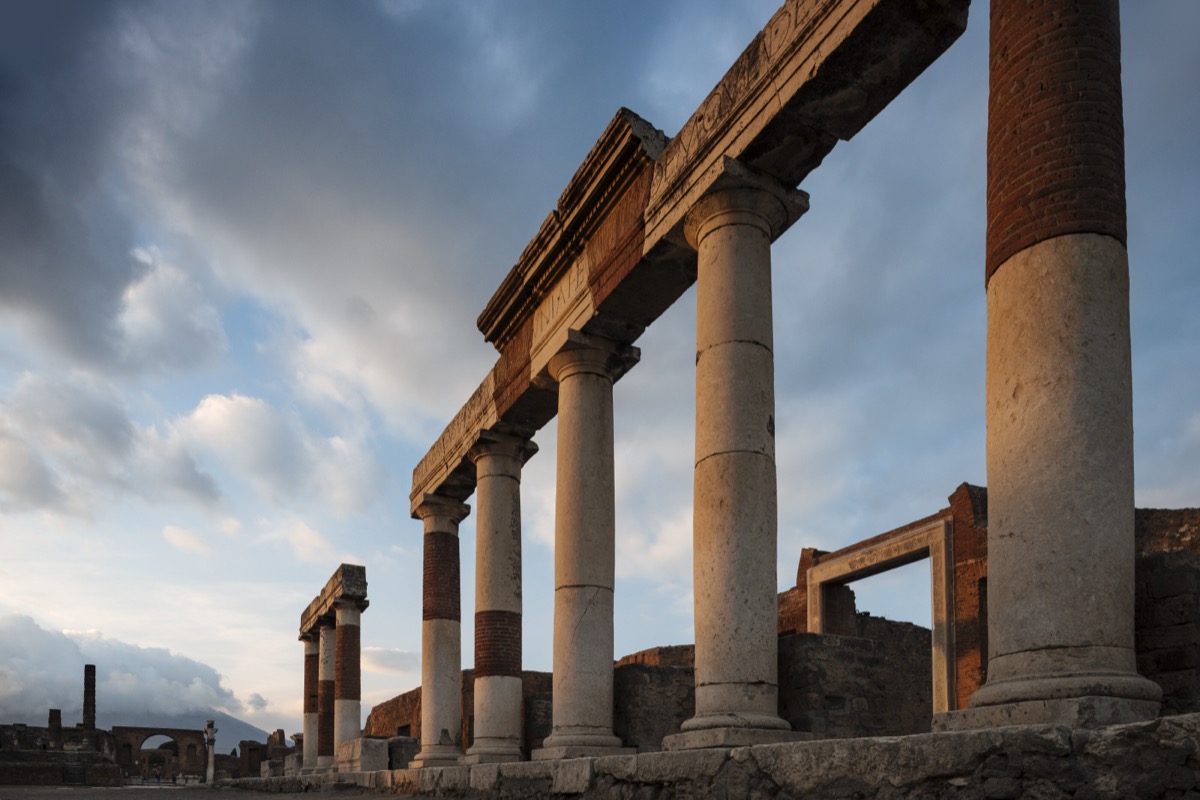
Pompeii History Before Eruption: From Oscan Village to Roman City
Pompeii History Before Eruption: From Oscan Village to Roman City. Discover practical tips for your visit. visitor guide, tickets, history of Pompeii
Discover Pompeii's fascinating 700-year journey from a small Oscan settlement to a thriving Roman city. This comprehensive timeline reveals the cultures, conquests, and transformations that shaped the city before Mount Vesuvius froze it in time.
The founding: Oscan origins (8th-6th century BC)
First settlements
The story of Pompeii begins in the 8th century BC when the Oscans, indigenous peoples of central Italy, established five small villages on a volcanic spur overlooking the Sarno River. The name "Pompeii" likely derives from the Oscan word "pompe" meaning five, suggesting either five original hamlets or settlement by five families (gens Pompeia).
Strategic location advantages
- Elevated position: Built on prehistoric lava flow for defense
- River access: Sarno River provided trade route to the sea
- Fertile soil: Volcanic ash created exceptional farmland
- Crossroads: Junction between Cumae, Nola, and Stabiae
Early urban development
By the 6th century BC, these villages merged into a single community. Archaeological evidence shows:
- Construction of first city walls (pappamonte wall) using local tufa stone
- Basic street grid beginning to form
- Agricultural economy based on wine and olive oil
- Population estimated at 2,000-3,000 inhabitants
Greek influence and cultural flowering (740-524 BC)
Hellenic transformation
When Greek colonists established Cumae across the Bay of Naples around 740 BC, Pompeii entered the Greek cultural sphere. This period brought:
Architectural innovations:
- Doric Temple construction (Triangular Forum area)
- Greek-style public spaces
- Advanced building techniques
- Decorative arts introduction
Cultural changes:
- Greek language adoption alongside Oscan
- Mediterranean trade expansion
- Religious syncretism (blending Greek and local gods)
- Urban planning improvements
Economic growth
Greek influence transformed Pompeii into a prosperous trading center:
- Wine production using Greek techniques
- Pottery and ceramic workshops
- Textile manufacturing
- Maritime commerce through Sarno port
Etruscan domination (524-474 BC)
The Etruscan conquest
In 524 BC, the powerful Etruscans from central Italy conquered Campania, including Pompeii. Their 50-year rule brought:
Infrastructure developments:
- Improved drainage systems
- Advanced metallurgy
- Expanded trade networks
- Enhanced urban planning
Cultural impacts:
- Etruscan religious practices
- Aristocratic governance model
- Luxury goods trade
- Architectural influences
Liberation and return to Greek influence
The Etruscan period ended dramatically in 474 BC when Greek forces from Syracuse, led by King Hieron I, defeated the Etruscan fleet at the Battle of Cumae. This naval victory restored Greek cultural dominance in the region.
The Samnite transformation (5th century-290 BC)
Conquest and integration
Around 424 BC, the Samnites, fierce mountain warriors from the Apennines, swept into Campania. Unlike previous conquerors, they integrated with local populations, creating a unique Samnite-Campanian culture.
Major Samnite contributions
This period saw Pompeii's most significant pre-Roman development:
Urban planning:
- Forum takes recognizable shape
- Temple of Jupiter construction
- Street grid expansion
- Defensive wall strengthening
Public amenities:
- Large Theater construction (capacity 5,000)
- Samnite Palaestra (exercise ground)
- Stabian Baths (first public bath complex)
- Gladiatorial barracks
Residential architecture:
- Atrium house style development
- Decorated facades
- Private gardens (early peristyles)
- Multi-story buildings
Economic prosperity
Under Samnite rule, Pompeii flourished:
- Agricultural surplus exports
- Garum (fish sauce) production
- Wool processing industry
- Regional market center
Roman alliance and autonomy (290-89 BC)
Becoming Roman allies
After the Samnite Wars (343-290 BC), Pompeii became a Roman ally (socius) while maintaining:
- Local government autonomy
- Oscan language official status
- Traditional customs preservation
- Independent coinage rights
Loyalty during crisis
During the Second Punic War (218-201 BC), when Hannibal invaded Italy, Pompeii remained loyal to Rome while many southern cities defected. This loyalty brought:
- Increased Roman investment
- Trade privileges
- Military protection
- Political favor
Pre-colonial prosperity
The 2nd century BC marked Pompeii's golden age of independence:
- Population growth to 12,000-15,000
- Luxury villa construction
- Public building programs
- Artistic flowering
The Social War and consequences (91-80 BC)
Rebellion against Rome
In 91 BC, Pompeii joined the Italian revolt seeking Roman citizenship. The siege of 89 BC by General Sulla left visible marks:
- Damage to city walls (still visible today)
- Stone ballista balls embedded in buildings
- Destruction of some neighborhoods
- Temporary economic disruption
Punishment and colonization
After defeat, Pompeii faced harsh consequences:
- 80 BC: Renamed Colonia Cornelia Veneria Pompeianorum
- Roman veteran colony established
- Local government replaced
- Latin made official language
- Land redistributions to veterans
Roman Pompeii flourishes (80 BC-62 AD)
Augustan prosperity
Under Emperor Augustus (27 BC-14 AD), Pompeii experienced unprecedented growth:
Public works:
- Aqueduct construction (Aqua Augusta)
- Forum renovation and marble facing
- Temple of Fortuna Augusta
- Large Palaestra construction
Private wealth:
- Elaborate villa decorations
- Running water in homes
- Extensive garden designs
- Imported luxury goods
Commercial hub
By the 1st century AD, Pompeii had become:
- Major wine export center
- Textile production hub
- Banking and finance center
- Tourist destination for wealthy Romans
Social structure
Roman Pompeii's population (estimated 15,000-20,000) included:
- Roman citizens (elite minority)
- Freedmen (former slaves, often wealthy)
- Slaves (30-40% of population)
- Foreign merchants and traders
The earthquake of 62 AD: Preview of disaster
Devastating damage
A major earthquake in 62 or 63 AD caused:
- Widespread building collapse
- Aqueduct destruction
- Economic disruption
- Population displacement
Incomplete recovery
By 79 AD, reconstruction remained unfinished:
- Many buildings still damaged
- Public baths under repair
- Private homes being renovated
- New architectural styles emerging
This ongoing reconstruction provides unique archaeological insights into Roman building techniques and urban planning.
Cultural life in pre-eruption Pompeii
Entertainment and leisure
- Amphitheater hosted gladiatorial games (built 70 BC)
- Two theaters presented Greek and Roman dramas
- Numerous taverns and gambling houses
- Public baths served as social centers
Religious diversity
Pompeii's temples reflected cultural layers:
- Temple of Apollo (Greek origins)
- Temple of Jupiter (Roman state cult)
- Temple of Isis (Egyptian mystery religion)
- Household shrines (traditional Lares)
Daily commerce
Archaeological evidence reveals bustling economic life:
- Over 150 bars and restaurants
- 40+ bakeries
- Fulleries (laundries)
- Workshops of all types
Legacy of pre-eruption Pompeii
What made Pompeii unique
Unlike Rome's grand monuments, Pompeii preserves:
- Organic urban development over centuries
- Cultural fusion of Oscan, Greek, Samnite, and Roman
- Middle-class daily life
- Complete neighborhoods intact
Timeline summary
- 8th century BC: Oscan founding
- 740-524 BC: Greek cultural influence
- 524-474 BC: Etruscan rule
- 474-290 BC: Samnite period
- 290-89 BC: Roman alliance
- 80 BC: Roman colony established
- 62/63 AD: Major earthquake
- 79 AD: Vesuvius eruption
Conclusion
Pompeii's pre-eruption history spans nearly 800 years of continuous habitation, cultural exchange, and urban development. From humble Oscan villages to a sophisticated Roman city, each period left distinct archaeological layers. This rich history, frozen by volcanic ash, provides an unparalleled window into ancient life. Understanding Pompeii's long journey enriches any visit to the ruins, where Greek temples, Samnite houses, and Roman forums stand together as testament to a truly cosmopolitan ancient city.