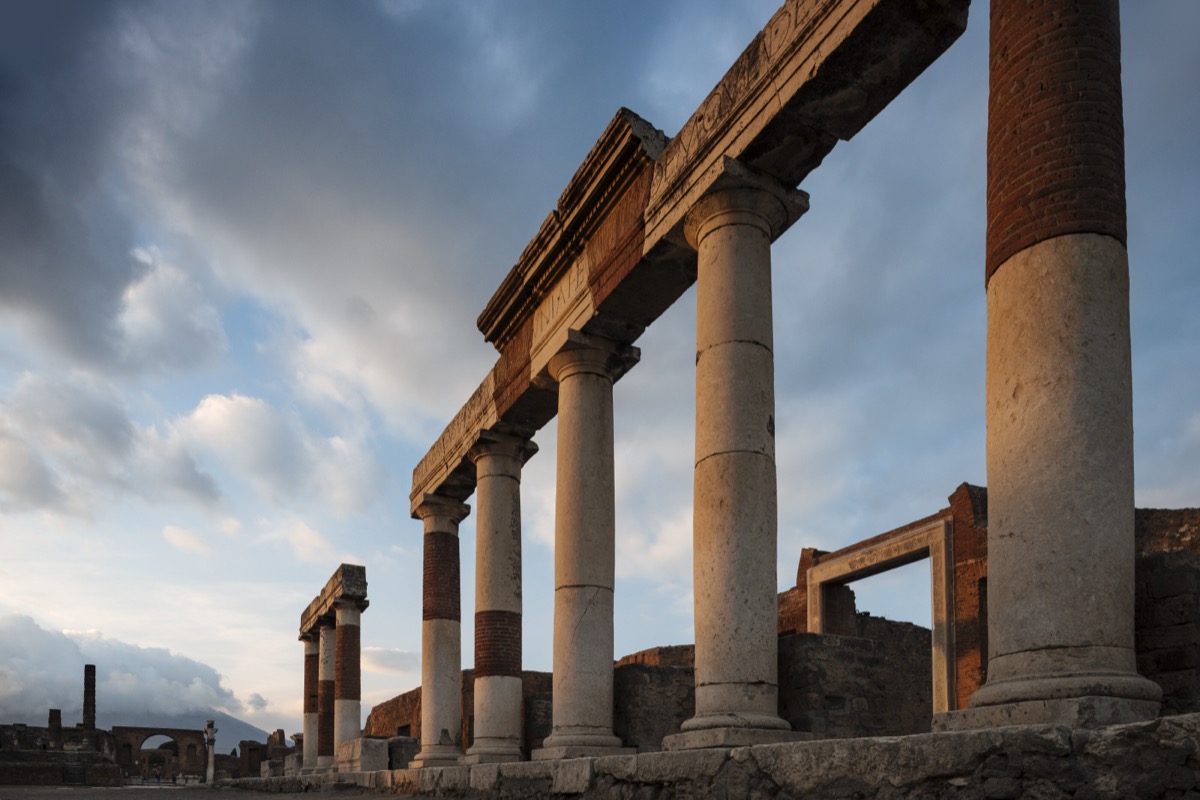
Discover practical tips for your visit. visitor guide, tickets, history of Pompeii
Imagine walking through an ancient city where the walls still speak. In Pompeii, over 11,000 pieces of graffiti have survived, preserving the thoughts, jokes, declarations of love, and everyday musings of ordinary Romans. These scribblings offer an unfiltered glimpse into ancient life that no official history could provide—and prove that human nature has barely changed in two millennia.
The World's Largest Ancient Message Board
- Total Graffiti Found: Over 11,000 inscriptions
- Languages: Latin, Greek, Oscan
- Types: Love notes, insults, ads, poetry, drawings
- Locations: Walls, columns, tombs, shops, homes
- Best Preserved: Protected by volcanic ash since 79 AD
Book Graffiti-Focused Walking Tour
Categories of Ancient Graffiti
Love and Romance (The Ancient Dating Scene)
The walls of Pompeii overflow with romantic declarations, heartbreak, and drama that wouldn't be out of place on modern social media:
Timeless Love Triangles
"Successus, a weaver, loves the innkeeper's slave girl named Iris. She, however, does not love him. Still, he begs her to have pity on him. His rival wrote this. Goodbye."
The rival then added:
"Envious one, why do you get in the way. Submit to a handsomer man and one who is being treated very wrongly and good looking."
To which Severus replied:
"I have spoken. I have written all there is to say. You love Iris, but she does not love you."
Sweet Declarations
- "Lovers are like bees in that they live a honeyed life"
- "Let everyone one in love come and see. I want to break Venus' ribs with clubs and deform her hips. If she can strike through my soft chest, then why can't I smash her head with a club?"
- "Methe, slave of Cominia, from Atella, loves Chrestus. May Pompeian Venus be dear to them both and may they always live in harmony."
Political Commentary
Roman walls served as ancient Twitter, broadcasting political opinions:
- "Vote for Lucius Popidius Ampliatus, he brings good bread!"
- "All the goldsmiths support Gaius Cuspius Pansa for public office"
- "The petty thieves support Vatia for the public office"
- "I ask that you elect Marcus Cerrinius Vatia to public office. All the late drinkers support him."
Daily Life Announcements
Lost and Found
"A copper pot went missing from my shop. Anyone who returns it to me will be given 65 bronze coins. 20 more will be given for information leading to the capture of the thief."
Business Advertisements
- "Palmyra, the thirst-quencher"
- "Asellina's girls—Zmyrina, Maria, Aegle—cost 4 asses"
- "Pleasure costs 4 asses, luxury costs 8"
Humor and Insults
Ancient Romans loved a good burn:
- "Samius to Cornelius: go hang yourself!"
- "Chie, I hope your hemorrhoids hurt so much that they burn worse than they ever have before!"
- "Epaphra is not good at ball games"
- "Stronius Stronnius knows nothing!"
- "Phileros is a eunuch!"
Philosophical Musings
Even bathroom walls contained deep thoughts:
- "Nothing can last forever"
- "What is the use of having a Venus if she's made of marble?"
- "The one who buggers a fire burns his penis"
- "Once you are dead, you are nothing"
Famous Graffiti Locations
1. The Basilica Walls
The law courts featured surprisingly unprofessional commentary:
- "Lucius wrote this"
- "Gaius was here"
- "Samius says hello to his Cornelius"
2. The Gladiator Barracks
Fan messages and fighter boasts:
- "Celadus the Thracian gladiator is the delight of all the girls"
- "Crescens the net fighter holds the hearts of all the girls"
- "Marcus loves Spendusa"
3. The House of the Tragic Poet
Literary quotes and cultured references:
- Virgil quotations
- Greek poetry fragments
- Mythological drawings
4. Public Latrines
Where Romans got creative:
- "Secundus defecated here"
- "Apollinaris, the doctor of the emperor Titus, defecated well here"
- Practical advice about bodily functions
Explore Graffiti Hotspots with Expert Guide
What Graffiti Reveals About Roman Society
Literacy Levels
The sheer volume of graffiti suggests widespread basic literacy:
- Slaves could write
- Women left messages
- Children practiced letters
- Multiple languages used
Social Dynamics
- Class mixing in public spaces
- Women's active participation
- Slave-owner relationships
- Professional networks
Daily Concerns
- Business transactions
- Social appointments
- Religious devotion
- Entertainment preferences
Linguistic Treasures
Language Evolution
Pompeii graffiti captures:
- Vulgar Latin in development
- Greek-Latin code-switching
- Local Oscan survivals
- Slang and colloquialisms
Writing Styles
- Cursive script variations
- Abbreviations and shortcuts
- Numerical notations
- Drawing-text combinations
Modern Parallels
Then vs. Now
Ancient Rome
- "Marcus loves Spendusa"
- Wall writings for communication
- Public political discourse
- Anonymous insults
Today
- "Chris ❤️ Jordan"
- Social media posts
- Twitter political debates
- Anonymous online trolling
Timeless Human Nature
The graffiti proves we've always:
- Fallen in love dramatically
- Complained about politicians
- Made crude jokes
- Wanted to leave our mark
Notable Graffiti Discoveries
The Lover's Lament
Found in 2018:
"Cruel Lalagus, why do you not love me?"
The Existential Crisis
Near the amphitheater:
"O walls, you have held up so much tedious graffiti that I am amazed you have not already collapsed in ruin"
The Practical Reminder
In a bakery:
"On April 19th, I made bread"
The Travel Log
"We two dear men, friends forever, were here. If you want to know our names, they are Gaius and Aulus."
Preservation Challenges
Environmental Threats
- Weather erosion
- Tourist touching
- Light damage
- Salt crystallization
Conservation Efforts
- Digital photography archives
- 3D laser scanning
- Protective barriers
- Chemical stabilization
Finding and Reading Graffiti Today
Best Locations
- Via dell'Abbondanza: Extensive preserved writings
- Lupanar (Brothel): Explicit content (adults only)
- Basilica: Political slogans
- House of the Vettii: High-quality examples
Reading Tips
- Look for red pigment (most common)
- Check eye level on walls
- Near doorways and shops
- Protected areas preserve best
Photography Guidelines
- No flash allowed
- Raking light shows inscriptions
- Include scale reference
- Document location
Book Specialized Graffiti Photography Tour
Academic Insights
Recent Research
Dr. Rebecca Benefiel's groundbreaking work reveals:
- Pompeians were "much nicer" than modern graffiti writers
- Frequent use of "felicter" (wishing others well)
- Community bulletin board function
- Social network mapping possibilities
Digital Humanities Projects
- Online graffiti databases
- Interactive mapping
- Translation projects
- Pattern analysis studies
Creating Your Own Roman-Style Message
Traditional Elements
- Start with name or greeting
- Add sentiment or information
- Include date if relevant
- Sign with flourish
Common Phrases
- "Vale" (farewell)
- "Felicter" (good luck)
- "Hic fuit" (was here)
- "Salutem" (greetings)
Educational Value
For Students
- Primary source material
- Language learning opportunities
- Social history insights
- Archaeological methodology
For Researchers
- Linguistic evolution data
- Demographic information
- Economic indicators
- Cultural practices
Planning Your Graffiti Hunt
Self-Guided Tour (3 hours)
- Start: Main entrance orientation
- Via dell'Abbondanza: Commercial graffiti
- Forum area: Political messages
- Residential quarter: Personal notes
- Necropolis: Funeral inscriptions
Essential Gear
- Notebook for observations
- Camera with zoom lens
- Latin phrase guide
- Comfortable shoes
- Sun protection
Modern Responses to Ancient Graffiti
Artistic Interpretations
- Contemporary art exhibitions
- Poetry inspired by messages
- Theater productions
- Musical compositions
Social Media Phenomenon
- #PompeiiGraffiti trending
- Translation challenges
- Meme creation
- Virtual tours
Conclusion
The graffiti of Pompeii offers an extraordinary gift: unfiltered access to the thoughts and feelings of ordinary people who lived 2,000 years ago. These ancient messages remind us that despite technological advances, human nature remains remarkably consistent. We still fall in love, get our hearts broken, complain about politicians, make terrible jokes, and desperately want to leave our mark on the world.
As you explore Pompeii, take time to seek out these ancient voices. In their words about love, loss, daily bread, and bodily functions, you'll find a mirror reflecting our own humanity across the centuries. The walls of Pompeii prove that while empires rise and fall, the human need to express ourselves—whether profound or profane—remains eternal.