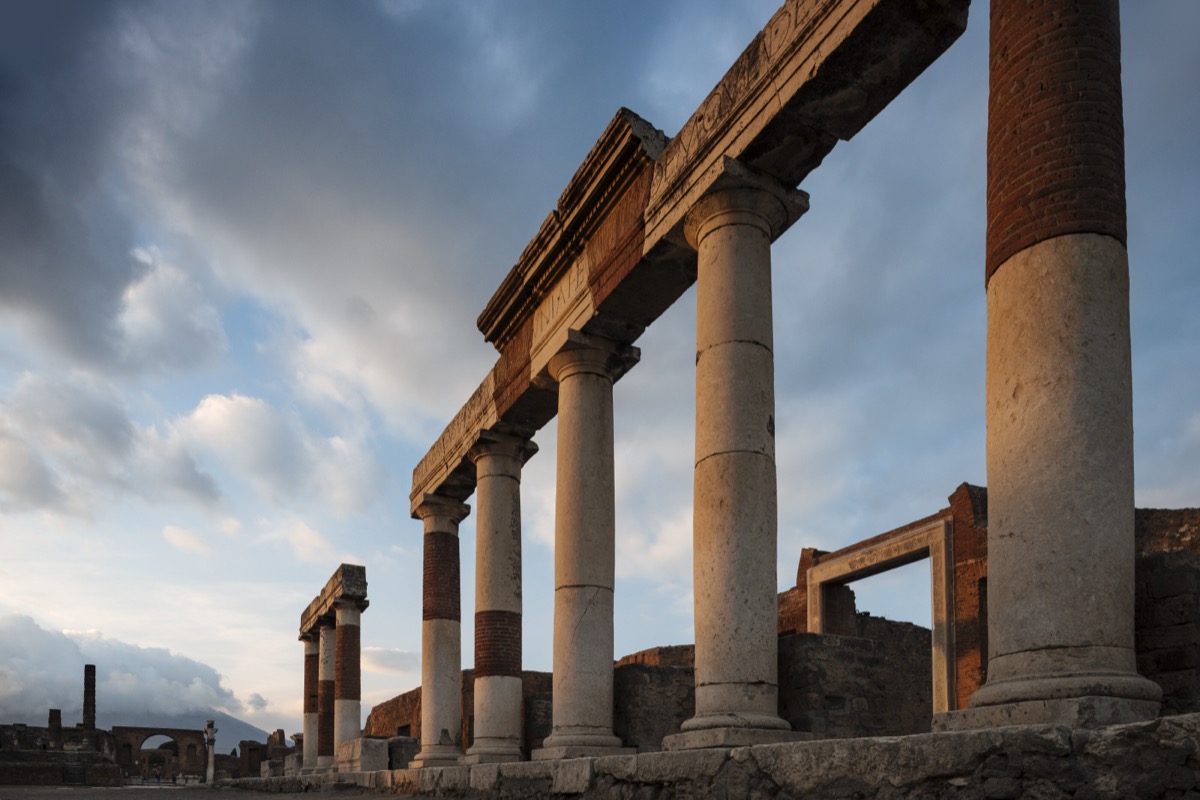
Pompeii Eruption Timeline Facts: Hour-by-Hour Destruction in 79 AD
Pompeii Eruption Timeline Facts: Hour-by-Hour Destruction in 79 AD. Discover practical tips for your visit. visitor guide, tickets, history of Pompeii
Experience the catastrophic 24 hours that buried Pompeii through a detailed timeline based on archaeological evidence and eyewitness accounts. From the first warning signs to the final pyroclastic surges, discover exactly how Mount Vesuvius destroyed a thriving Roman city.
The date debate: When did Vesuvius actually erupt?
Traditional date: August 24, 79 AD
For centuries, historians accepted August 24 as the eruption date, based on medieval manuscript copies of Pliny the Younger's letters. However, this date has come under scrutiny.
New evidence suggests autumn
Recent archaeological discoveries challenge the summer date:
- Pomegranates found: Fresh autumn fruit in houses
- Wine jars sealed: Indicating post-harvest (October)
- Heavier clothing: Bodies wearing wool garments
- Charcoal inscription: Found in 2018, dated October 17
Current consensus
Most experts now believe the eruption occurred between October 24 and November 1, 79 AD. The exact date remains debated, but autumn seems more likely than summer.
Pre-eruption warning signs
Years before: The earthquake of 62 AD
A major earthquake 17 years earlier caused significant damage:
- Many buildings still under repair in 79 AD
- Population possibly reduced
- Increased seismic activity afterward
Days before eruption
August 20-23 (using traditional dates):
- Small earthquakes increase in frequency
- Local springs and wells dry up
- Animals behave strangely
- Some residents leave the area
Morning of the eruption
- Mild tremors continue
- Normal daily activities proceed
- Markets open, baths operating
- No immediate signs of danger
Hour-by-hour timeline of destruction
Day 1: The eruption begins
8:00 AM - Normal morning
- Pompeians go about daily routines
- Shops open for business
- Children attend school
- No visible signs from Vesuvius
12:00 PM - First tremors
- Stronger earthquake shakes the region
- Some damage to buildings
- Residents concerned but not panicking
1:00 PM - The explosion
- Vesuvius explodes with tremendous force
- Eruption column rises 15-20 miles high
- Sound heard hundreds of miles away
- "Pine tree" shaped cloud forms (Pliny's description)
2:00 PM - Ash begins falling
- White pumice rains on Pompeii
- Fall rate: 4-6 inches per hour
- Visibility decreases rapidly
- First evacuations begin
3:00 PM - Darkness descends
- Ash cloud blocks the sun
- Complete darkness envelops the city
- Panic spreads among residents
- Roads clog with fleeing people
5:00 PM - Buildings collapse
- Roofs fail under pumice weight
- First casualties from falling debris
- Many seek shelter indoors (fatal decision)
- Pumice depth: 3-4 feet
7:00 PM - Situation worsens
- Larger volcanic bombs falling
- Fires break out across city
- Pumice depth: 6-7 feet
- Most escape routes blocked
11:00 PM - Brief respite
- Pumice fall lessens slightly
- Some attempt to flee in darkness
- Others dig out of buried buildings
- False hope of eruption ending
Day 2: The final destruction
1:00 AM - First pyroclastic surge
- Eruption column begins collapsing
- First surge hits Herculaneum
- Temperature: 300-400°F (150-200°C)
- Speed: 100+ mph
3:00 AM - Temporary calm
- Deceptive quiet period
- Some survivors attempt escape
- Volcanic activity continues building
- Column height: 20 miles
6:30 AM - Third surge reaches Pompeii
- First pyroclastic flow hits city walls
- Temperature: 480°F (250°C)
- Instantly fatal to anyone exposed
- Buildings filled with superheated gas
7:30 AM - Fourth surge
- Larger, more powerful flow
- Penetrates deep into city
- Speed: 200+ mph
- Temperature: 570°F (300°C)
8:00 AM - Final surges
- Fifth and sixth pyroclastic flows
- Complete burial of Pompeii
- Final depth: 20-25 feet
- All life extinguished
The science of pyroclastic flows
What are pyroclastic flows?
- Fast-moving avalanches of hot gas and volcanic matter
- Travel at speeds up to 450 mph
- Temperatures reach 1,000°F (540°C)
- Denser than air, flow like liquid
Why so deadly?
- Extreme heat: Instant death from thermal shock
- Toxic gases: Suffocation within seconds
- Physical impact: Bodies knocked down, buildings destroyed
- No escape: Faster than any human can run
The six surges explained
- First surge: Reached Herculaneum only
- Second surge: Stopped at Pompeii walls
- Third surge: Entered Pompeii, killed most remaining
- Fourth surge: Deepest penetration into city
- Fifth surge: Added more burial depth
- Sixth surge: Final burial layer
Pliny's eyewitness account
Who was Pliny the Younger?
- Roman author and administrator
- Age 17 during eruption
- Staying in Misenum, 20 miles away
- Wrote detailed letters to historian Tacitus
Key observations
The eruption cloud: "It resembled a pine tree, for it shot up to a great height in the form of a very tall trunk, which spread itself out at the top into a sort of branches."
The darkness: "Darkness fell, not the dark of a moonless or cloudy night, but as if the lamp had been put out in a closed room."
The panic: "You could hear the shrieks of women, the wailing of infants, and the shouting of men; some were calling their parents, others their children or their wives."
His uncle's fatal rescue mission
Pliny the Elder, admiral of the Roman fleet:
- Sailed toward Vesuvius to rescue friends
- Died at Stabiae from toxic fumes
- Body found on beach days later
- Became history's first volcanologist casualty
Death toll and casualties
Pompeii statistics
- Population: 15,000-20,000
- Bodies found: 1,150+ (so far)
- Estimated deaths: 2,000-3,000
- Escaped: 13,000-16,000
How people died
- Asphyxiation: From ash and toxic gases
- Thermal shock: Instant death from extreme heat
- Building collapse: Crushed by falling roofs
- Pyroclastic surge: Vaporized by superheated gas
The lucky survivors
Many escaped because:
- Fled at first signs
- Lived in suburbs
- Away from city during eruption
- Evacuated by sea
Preservation by disaster
Why Pompeii preserved so well
- Lack of air prevented decay
- Hot ash created sealed environment
- Quick burial preserved organic materials
- No looting or salvage attempts
What the ash preserved
- Bodies: Cavities left perfect molds
- Food: Bread, eggs, fruit intact
- Wood: Furniture, doors, shutters
- Paintings: Frescoes with vivid colors
- Graffiti: 11,000+ inscriptions
- Textiles: Clothing, curtains, rope
Comparing eruption impacts
Pompeii vs other cities
Pompeii:
- Buried by pumice and ash
- Death mainly from heat and gas
- Buildings crushed but not destroyed
- Bodies left cavities for casts
Herculaneum:
- Hit by pyroclastic flows directly
- Instant death at higher temperatures
- Better preservation (carbonized)
- Skeletons intact, not cavities
Stabiae:
- Lighter ash fall
- Many escaped
- Pliny the Elder died here
- Villas partially excavated
Modern parallels and warnings
Similar eruptions
- Mount St. Helens (1980): Similar eruption style
- Mount Pelée (1902): Pyroclastic flows killed 29,000
- Nevado del Ruiz (1985): 23,000 deaths from lahars
Vesuvius today
- Last eruption: 1944
- Current status: Active but dormant
- Risk population: 3 million in danger zone
- Evacuation plan: 72-hour warning system
- Next eruption: Inevitable but unpredictable
Lessons from the timeline
Why people didn't escape
- No understanding of volcanoes
- Initial phase seemed manageable
- Darkness prevented movement
- Roads blocked by debris
- False sense of security indoors
Modern applications
- Early warning systems crucial
- Evacuation plans must be practiced
- Public education saves lives
- Don't underestimate natural forces
- First signs mean immediate action
Conclusion
The Pompeii eruption timeline reveals how quickly a thriving city became a tomb. In less than 24 hours, Mount Vesuvius transformed from a vine-covered mountain to a deadly killer, burying Pompeii under 20 feet of volcanic debris. The hour-by-hour progression from normalcy to catastrophe serves as both a fascinating historical record and a stark warning about the power of nature. Today, as millions live in Vesuvius's shadow, understanding this timeline isn't just academic—it's potentially life-saving. The preserved city reminds us that when facing natural disasters, early action and respect for warning signs can mean the difference between escape and entombment.