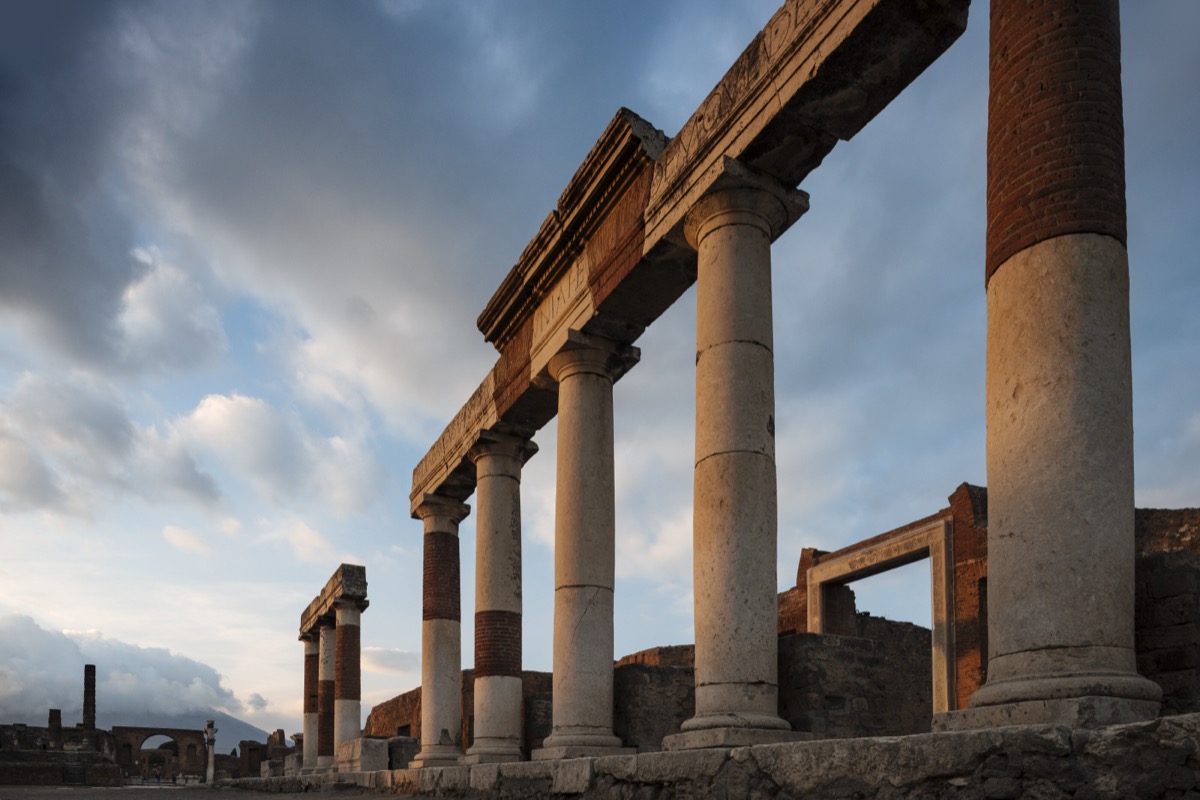
How Modern Technology is Saving Pompeii: Conservation Efforts in 2025
How Modern Technology is Saving Pompeii: Conservation Efforts in 2025. Discover practical tips for your visit. visitor guide, tickets, history of Pompeii
Pompeii faces a race against time. After surviving nearly 2,000 years buried under volcanic ash, the ancient city now battles modern threats: climate change, mass tourism, and natural decay. But a technological revolution is underway, with €100 million invested in cutting-edge conservation methods that merge ancient craftsmanship with 21st-century innovation. Here's how modern technology is saving one of the world's most precious archaeological sites.
The Conservation Challenge
- Site Size: 66 hectares (163 acres)
- Buildings: Over 1,500 structures
- Annual Visitors: 3.5 million (pre-2024 caps)
- Exposed Frescoes: 15,000+ square meters
- Daily Visitor Limit: 20,000 (as of November 2024)
- Conservation Budget: €100 million (2024-2026)
Support Pompeii Conservation Efforts
The Great Pompeii Project: A Technological Renaissance
Phase 1: Emergency Stabilization (2012-2016)
The €105 million EU-funded project addressed immediate collapse risks:
- Stabilized 39 critical structures
- Installed drainage systems
- Reinforced ancient walls
- Created protective coverings
Phase 2: Sustainable Preservation (2024-2026)
Current initiatives focus on long-term sustainability:
- Advanced monitoring systems
- Predictive maintenance
- Digital documentation
- Climate adaptation
Cutting-Edge Technologies Deployed
1. Satellite Surveillance System
How It Works
- Continuous monitoring from space
- Millimeter-precision measurements
- Heat signature analysis
- Moisture detection
What It Detects
- Ground subsidence
- Structural shifts
- Temperature anomalies
- Vegetation encroachment
Real Results In 2023, satellite data prevented a major collapse by detecting underground water accumulation before visible damage occurred.
2. IoT Sensor Networks
MEMS Technology Micro-Electro-Mechanical Systems provide:
- Real-time structural monitoring
- Vibration analysis
- Humidity tracking
- Temperature fluctuations
Installation Scope
- 150+ sensors in Regio VI pilot project
- Wireless mesh network
- Solar-powered operation
- 24/7 data transmission
Data Processing
- AI algorithms predict deterioration
- Automated alert systems
- Maintenance prioritization
- Resource optimization
3. Drone Fleet Operations
Daily Missions
- High-resolution photography
- Thermal imaging surveys
- 3D photogrammetry
- Inaccessible area inspection
Advanced Capabilities
- Multispectral imaging for fresco analysis
- LIDAR scanning for precise measurements
- Autonomous flight patterns
- Real-time damage assessment
View Latest Drone Survey Results
4. Digital Twin Technology
Creating Virtual Pompeii A complete digital replica enables:
- Predictive modeling
- Virtual restoration testing
- Tourism impact simulation
- Conservation planning
Technical Specifications
- Sub-centimeter accuracy
- 500TB of data
- Cloud-based processing
- VR/AR integration
5. Artificial Intelligence Applications
Machine Learning Systems
- Pattern recognition in decay
- Visitor flow optimization
- Fresco deterioration prediction
- Excavation site selection
The RePAIR Robot Developed by MIT researchers:
- Reassembles fresco fragments
- Matches patterns across pieces
- Works 24/7 without fatigue
- Planned deployment in 2025
Innovative Conservation Techniques
Bio-Consolidation
Living Materials
- Bacteria that produce limestone
- Self-healing concrete inspired by Roman formula
- Organic consolidants for frescoes
- Non-invasive strengthening
Nano-Technology
Molecular-Level Protection
- Nano-particles for water repellency
- Invisible protective coatings
- Pollution-resistant barriers
- UV-filtering applications
Climate Control Systems
Environmental Management
- Micro-climate monitoring
- Automated protective covers
- Humidity control in houses
- Temperature stabilization
The Human Element
Specialized Teams
On-Site Expertise
- 55 permanent conservation staff
- Architects and engineers
- Archaeological specialists
- Digital technicians
Training Programs
- Local craftsmen education
- Traditional technique preservation
- Technology integration skills
- International collaboration
Community Involvement
- Local employment opportunities
- Educational workshops
- Citizen science projects
- Heritage awareness programs
Major Success Stories
1. House of the Vettii Restoration
Challenge: Deteriorating frescoes and structural issues Solution: Combined traditional and modern techniques
- Laser cleaning technology
- Digital color matching
- Structural reinforcement
- Climate-controlled environment Result: Reopened in 2023 after 20-year closure
2. Regio V Excavations
Innovation: First fully digital excavation
- 3D documentation in real-time
- Drone mapping daily progress
- Database integration immediate
- Public access via website Discovery: Intact thermopolium and ceremonial chariot
3. Via dell'Abbondanza Drainage
Problem: Water damage threatening street Technology: Smart drainage system
- Sensor-controlled pumps
- Predictive flooding alerts
- Automatic activation
- Remote monitoring Outcome: 90% reduction in water damage
Visitor Experience Enhancement
Digital Integration
Smart Visiting
- QR codes at every site
- AR reconstruction apps
- Virtual guide avatars
- Real-time crowd management
Accessibility Improvements
- Digital tactile models
- Audio descriptions
- Virtual tours for mobility issues
- Multi-sensory experiences
Climate Change Adaptation
Extreme Weather Preparation
Monitoring Systems
- Weather station network
- Predictive modeling
- Emergency response protocols
- Protective measure automation
Physical Adaptations
- Improved drainage infrastructure
- Wind-resistant barriers
- Heat-reflective coverings
- Flood prevention systems
Long-Term Strategies
- Carbon footprint reduction
- Sustainable tourism limits
- Green energy adoption
- Water recycling systems
The Economics of Conservation
Investment Breakdown (2024-2026)
- Technology Infrastructure: €30 million
- Physical Conservation: €40 million
- Research & Development: €15 million
- Training & Education: €10 million
- Emergency Reserve: €5 million
Return on Investment
- Prevented collapse costs
- Increased visitor satisfaction
- Extended site lifespan
- Research opportunities
- Educational value
Future Technologies Under Development
Quantum Computing Applications
- Complex decay modeling
- Optimization algorithms
- Pattern matching acceleration
- Climate simulation
Biotechnology Advances
- Self-repairing materials
- Biological cleaning agents
- Genetic fresco analysis
- Organic preservation methods
Extended Reality (XR)
- Holographic reconstructions
- Haptic feedback systems
- Time-travel experiences
- Remote expert consultation
Challenges and Solutions
Current Obstacles
-
Funding Sustainability
- Solution: Public-private partnerships
- Crowd-funding initiatives
- International cooperation
-
Technology Integration
- Solution: Phased implementation
- Staff training programs
- User-friendly interfaces
-
Balancing Access and Preservation
- Solution: Virtual alternatives
- Rotation systems
- Capacity management
How You Can Help
Direct Support
- Official conservation donations
- Adopt-a-fresco programs
- Research funding
- Volunteer opportunities
Indirect Contribution
- Responsible tourism
- Social media awareness
- Educational promotion
- Political advocacy
Contribute to Pompeii's Future
Success Metrics
Measurable Improvements (2020-2024)
- 40% reduction in emergency interventions
- 60% faster damage detection
- 35% decrease in restoration costs
- 50% improvement in prediction accuracy
Visitor Impact
- 25% increase in satisfaction scores
- 30% reduction in accidental damage
- 45% better crowd distribution
- 20% more educational engagement
Looking Ahead: Pompeii 2030
Vision for the Future
Director Gabriel Zuchtriegel's Plan
- Complete digital documentation
- AI-powered site management
- Zero-impact tourism
- Global virtual access
Upcoming Projects
- Underground Pompeii exploration
- Marine archaeology integration
- Expanded excavation areas
- International tech partnerships
Lessons for Global Heritage
Exportable Solutions
Pompeii's innovations benefit sites worldwide:
- Scalable sensor networks
- Open-source documentation
- Training program templates
- Conservation protocols
International Collaboration
- UNESCO knowledge sharing
- EU heritage networks
- Academic partnerships
- Technology transfers
Conclusion
The marriage of ancient wonder and modern technology at Pompeii represents more than preservation—it's a model for cultural heritage management worldwide. As climate change accelerates and tourism pressures mount, the innovations being pioneered among these ancient ruins offer hope for archaeological sites globally.
From satellites in space to bacteria in the walls, from AI-powered robots to drone swarms, Pompeii demonstrates that protecting our past requires embracing our future. The €100 million investment isn't just saving stones and frescoes; it's preserving the irreplaceable story of human civilization for generations yet to come.
The race against time continues, but with each technological advance, Pompeii's chances improve. By supporting these efforts—whether through visits, donations, or simply spreading awareness—we all play a part in ensuring that this window into ancient life remains open for centuries ahead.
Frequently Asked Questions
Where do I buy official tickets?
Buy on the park’s official portal or see tickets for trusted options and skip‑the‑line tours.
Are there free or discounted entries?
EU youth, Italian residents on certain days, and under‑18s often qualify. Check the official policy and free‑entry dates.
{"@context":"https://schema.org","@type":"FAQPage","mainEntity":[{"@type":"Question","name":"Where do I buy official tickets?","acceptedAnswer":{"@type":"Answer","text":"Buy on the park’s official portal or see tickets for trusted options and skip‑the‑line tours."}},{"@type":"Question","name":"Are there free or discounted entries?","acceptedAnswer":{"@type":"Answer","text":"EU youth, Italian residents on certain days, and under‑18s often qualify. Check the official policy and free‑entry dates."}}]}
Buy on the park’s official portal or see tickets for trusted options and skip‑the‑line tours.
Are there free or discounted entries?
EU youth, Italian residents on certain days, and under‑18s often qualify. Check the official policy and free‑entry dates.