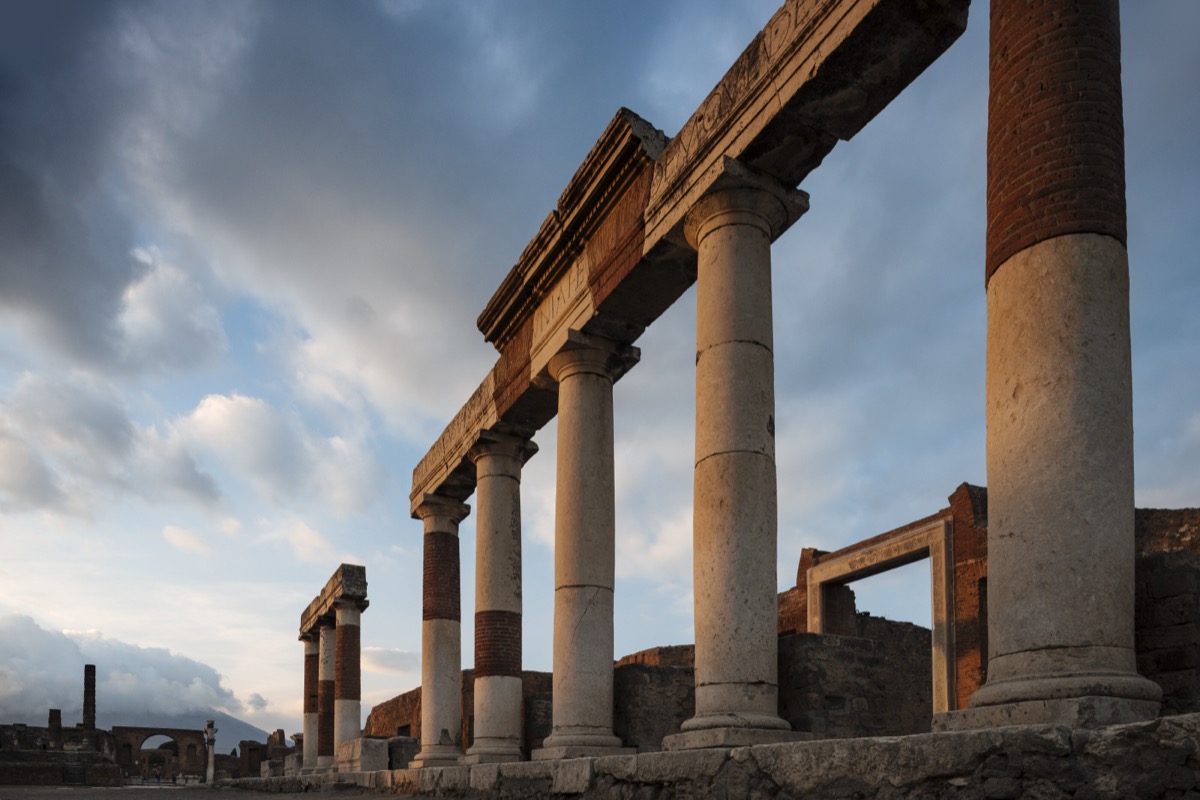
Pompeii Complete Archaeological Guide: Ancient Roman Life Preserved in Volcanic Ash
Discover practical tips for your visit. visitor guide, tickets, history of Pompeii
Meta Information
Meta Title: Pompeii Complete Archaeological Guide: Ancient Roman Life P… Meta Description: Pompeii Complete Archaeological Guide: Ancient Roman Life Preserved in Volcanic Ash — Master Pompeii archaeology with complete ancient Roman life guide. Hidden… URL Slug: pompeii-complete-archaeological-guide-2025 Primary Keywords: pompeii archaeological guide, ancient roman pompeii, pompeii tourism 2025 Secondary Keywords: pompeii history guide, roman archaeology pompeii, pompeii cultural heritage Search Intent: Informational (archaeological tourism and cultural education) Target Audience: Cultural travelers and history enthusiasts seeking comprehensive archaeological understanding and authentic cultural education
TL;DR: Pompeii Reveals Daily Roman Life Through Extraordinary Archaeological Preservation
Pompeii provides unparalleled insight into ancient Roman daily life through extraordinary preservation by Mount Vesuvius eruption in 79 AD. Archaeological excavations reveal homes, businesses, public buildings, art, and personal belongings creating comprehensive understanding of Roman culture, society, technology, and daily life impossible through traditional historical sources.
Archaeological Significance:
- Preservation Quality: Volcanic ash creating perfect preservation of organic and inorganic materials
- Cultural Completeness: Entire city preserved with homes, businesses, public spaces, personal belongings
- Daily Life Documentation: Ordinary Roman life rather than elite monuments and public buildings
- Ongoing Discovery: Active excavation revealing new insights and archaeological understanding
- Scientific Innovation: Advanced preservation techniques and archaeological methodology development
Visitor Experience Optimization:
- Expert Guided Tours: Archaeological expertise with cultural context and scientific understanding
- Priority Access: Advance booking avoiding crowds while ensuring optimal educational experience
- Seasonal Timing: Optimal weather and crowd management for comprehensive site exploration
- Educational Preparation: Pre-visit learning enhancing on-site understanding and cultural appreciation
Ancient Roman Daily Life Through Archaeological Evidence
Residential Architecture and Roman Home Culture
Roman Domestic Life Revealed: Pompeii's preserved homes provide extraordinary insight into Roman family life, social structure, domestic technology, artistic expression, and cultural practices through intact residential districts.
House of the Vettii: Elite Roman Living
- Architectural Features: Atrium design, peristyle gardens, frescoed walls, mosaic floors
- Social Organization: Family structure, slave quarters, entertainment areas, religious spaces
- Artistic Expression: Wall frescoes depicting mythology, daily life, cultural values, artistic techniques
- Cultural Education: Roman elite lifestyle with social customs, religious practices, artistic appreciation
Roman Housing Cultural Analysis:
- Social Stratification: Housing quality reflecting social position and economic status
- Family Organization: Multi-generational family structure with domestic space allocation
- Religious Integration: Household religion with shrine areas and daily religious practice
- Artistic Investment: Home decoration demonstrating cultural values and artistic appreciation
House of the Tragic Poet: Middle-Class Roman Life
- Economic Status: Middle-class Roman family with modest but comfortable living standards
- Cultural Expression: Artistic decoration appropriate to social status and economic capability
- Daily Life Organization: Domestic space organization with practical and cultural considerations
- Community Integration: Neighborhood relationships and social interaction patterns
Commercial and Business Culture
Roman Commerce and Economic Life:
Forum Commercial District: The Forum represents Roman commercial and political center with markets, government buildings, religious temples, and business operations providing insight into Roman economic and social organization.
Commercial Cultural Education:
- Market Organization: Roman commercial practices with quality control, pricing, social customs
- Business Relationships: Commercial relationships with social integration and community cooperation
- Economic Regulation: Roman commercial law with business ethics and community standards
- Social Integration: Commerce within social structure and community relationship development
Bakery and Food Production:
- Traditional Techniques: Bread production with traditional Roman methods and community food systems
- Social Function: Bakery as community gathering place with social interaction and cultural integration
- Economic Organization: Food production within Roman economic system and community cooperation
- Cultural Significance: Bread cultural importance with religious and social significance
Thermopolium (Ancient Fast Food):
- Cultural Innovation: Roman fast food culture with community dining and social interaction
- Economic Function: Affordable dining for working-class Romans with community integration
- Social Interaction: Public dining spaces with community relationships and cultural exchange
- Preservation Quality: Complete preservation revealing daily Roman life and cultural practices
Roman Art, Culture, and Religious Life
Artistic Expression and Cultural Values
Roman Artistic Heritage: Pompeii preserves extensive Roman art including frescoes, mosaics, sculptures, and decorative arts providing insight into Roman aesthetic values, religious beliefs, cultural priorities, and artistic techniques.
Fresco Art and Cultural Significance:
Villa of the Mysteries: Religious Art
- Religious Content: Mystery cult frescoes with religious practice and spiritual belief representation
- Artistic Technique: Traditional Roman fresco technique with color preservation and artistic innovation
- Cultural Context: Roman religious diversity with mystery religion integration and cultural tolerance
- Preservation Science: Fresco preservation technique with archaeological innovation and cultural heritage protection
Religious Cultural Education:
- Roman Religion: Traditional Roman religious practice with household shrine, public temple, festival integration
- Mystery Cults: Alternative religious practice with spiritual belief and cultural integration
- Religious Art: Artistic expression with religious theme and cultural significance
- Cultural Tolerance: Roman religious diversity with cultural integration and community cooperation
House of the Faun: Artistic Excellence
- Mosaic Art: Alexander Mosaic demonstrating Roman artistic technique and cultural appreciation
- Elite Culture: Artistic investment with cultural status and community recognition
- Cultural Education: Roman artistic values with quality appreciation and cultural significance
- Preservation Achievement: Exceptional artistic preservation with archaeological technique and cultural heritage protection
Public Buildings and Social Organization
Roman Public Life and Community Organization:
Amphitheater Cultural Significance:
- Entertainment Culture: Gladiatorial games with social function and cultural significance
- Social Organization: Seating arrangement reflecting Roman social hierarchy and community structure
- Community Gathering: Public entertainment with community integration and cultural celebration
- Political Function: Entertainment providing political control and community management
Theater and Cultural Expression:
- Dramatic Arts: Roman theater culture with Greek influence and cultural adaptation
- Community Programming: Public entertainment with cultural education and community integration
- Artistic Development: Roman dramatic art with cultural expression and community appreciation
- Social Function: Theater as community gathering with cultural education and social interaction
Public Baths Cultural Integration:
- Social Function: Public bathing as community gathering with social interaction and cultural integration
- Health Culture: Roman health and hygiene culture with community health awareness
- Social Organization: Bath house social hierarchy with community interaction and cultural education
- Community Life: Daily social routine with community relationship and cultural participation
Archaeological Science and Preservation Innovation
Modern Archaeological Techniques
Advanced Preservation Science: Pompeii serves as testing ground for archaeological preservation technique, digital documentation, environmental protection, and cultural heritage preservation creating innovation benefiting global archaeological science.
Preservation Innovation:
- Digital Documentation: 3D scanning and virtual reality creating permanent record and educational access
- Environmental Protection: Climate control and pollution protection preserving archaeological heritage
- Conservation Technique: Traditional and innovative preservation method protecting cultural heritage
- Educational Technology: Advanced educational tool enhancing visitor understanding and cultural appreciation
Scientific Research Integration:
- Ongoing Excavation: Active archaeological research revealing new understanding and cultural insight
- International Collaboration: Global archaeological expertise with scientific cooperation and knowledge sharing
- Educational Research: University partnership with academic research and cultural education integration
- Community Science: Public participation in archaeological understanding and cultural heritage appreciation
Cultural Heritage Protection and Community Responsibility
Heritage Conservation Participation: Support Pompeii preservation through responsible tourism, educational participation, cultural appreciation, and community contribution while respecting archaeological integrity and cultural significance.
Responsible Tourism Guidelines:
- Site Respect: Following archaeological site rules with heritage protection and cultural preservation
- Educational Emphasis: Cultural learning priority with authentic understanding and appreciation
- Community Support: Local business support with authentic economic contribution and relationship development
- Cultural Contribution: Heritage appreciation with ongoing cultural education and community support
Long-Term Heritage Relationship: Pompeii experience often develops into long-term interest including archaeological study, cultural education, heritage volunteer work, and ongoing relationship with archaeological community.
Visitor Planning and Cultural Preparation
Optimal Visit Strategy and Educational Preparation
Pre-Visit Cultural Education: Comprehensive Roman history and cultural education enhances Pompeii understanding while providing context for archaeological observation and cultural appreciation.
Educational Preparation:
- Roman History: Political, social, cultural context with contemporary Roman life understanding
- Archaeological Science: Preservation technique and excavation method understanding
- Cultural Context: Roman daily life, social organization, religious practice, artistic expression
- Contemporary Significance: Archaeological importance with cultural heritage and educational value
Visit Optimization Strategy:
- Seasonal Timing: Optimal weather and crowd management for comprehensive site exploration
- Expert Guidance: Professional archaeological guide with cultural context and scientific understanding
- Educational Focus: Learning priority with cultural understanding and archaeological appreciation
- Physical Preparation: Walking endurance and weather preparation for extended site exploration
Professional Archaeological Education
Advanced Learning Opportunities: Pompeii offers professional archaeological education through university programs, research participation, excavation volunteer work, and cultural heritage career development.
Professional Development:
- University Programs: Archaeological study with academic rigor and professional development
- Research Participation: Scientific research with publication opportunity and professional networking
- Volunteer Excavation: Hands-on archaeological experience with professional supervision and cultural education
- Career Development: Archaeological career preparation with professional experience and academic integration
Cultural Heritage Career Integration: Pompeii experience provides foundation for cultural heritage career including archaeology, museum work, cultural education, heritage preservation, and cultural tourism development.
Pompeii archaeological experience provides unparalleled insight into ancient Roman culture through extraordinary preservation, scientific innovation, and cultural education while supporting archaeological research and cultural heritage preservation.
Continue Your Cultural Heritage Journey:
- Complete Germany Travel Guide - European archaeological and cultural heritage integration
- Paris Insider Experiences - Cultural depth and authentic community integration
- Mediterranean Island Adventure Guide - Archaeological sites within Mediterranean travel
- AI Travel Revolution Guide - Technology-enhanced cultural and archaeological education
Archaeological Education: Pompeii Italy provides comprehensive archaeological guidance with expert tour coordination, cultural context education, and heritage appreciation for meaningful ancient Roman cultural understanding.