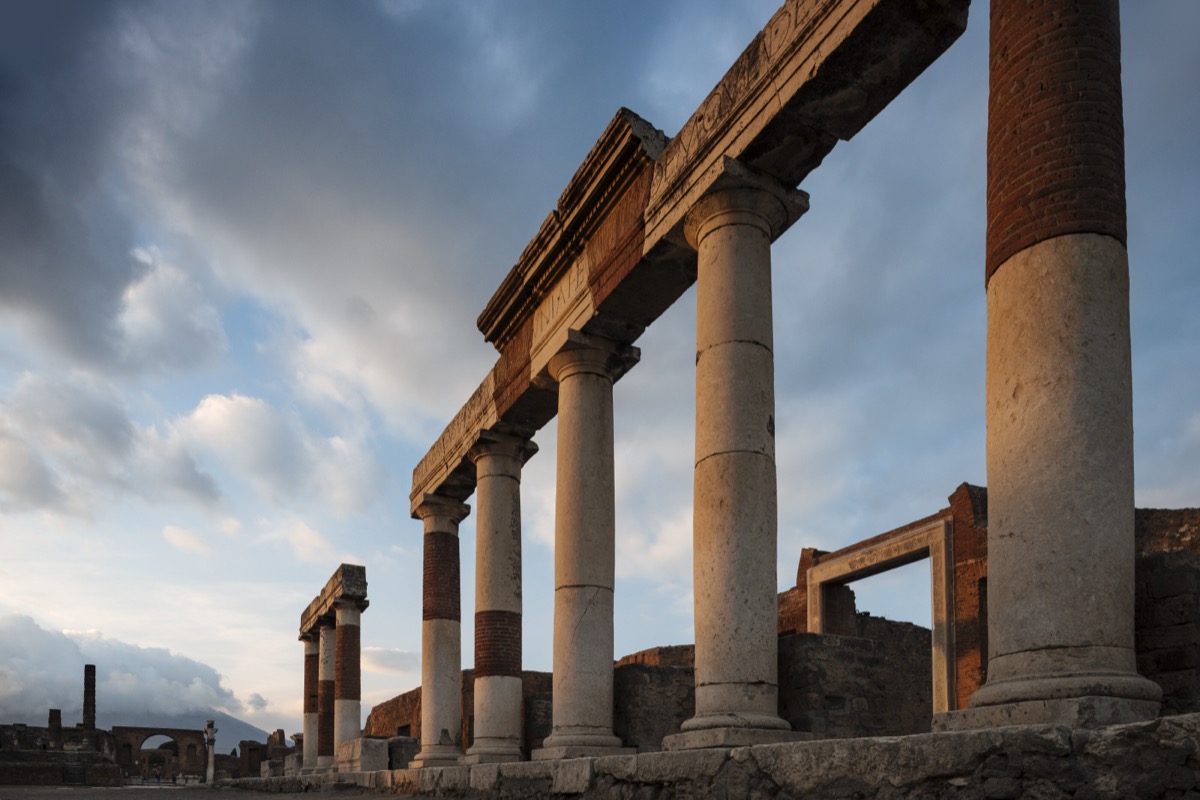
Pompeii Archaeological Site Size In Hectares: Complete Area Guide
Pompeii Archaeological Site Size In Hectares: Complete Area Guide. Discover practical tips for your visit. visitor guide, tickets, history of Pompeii
Understand the true scale of Pompeii with exact measurements in hectares, acres, and square kilometers. This guide reveals how much has been excavated, what remains buried, and how to navigate this vast ancient city efficiently.
Total site dimensions
Overall measurements
- Total area: 66 hectares (163 acres)
- Square kilometers: 0.66 km²
- City wall circumference: 3 kilometers (2 miles)
- Shape: Roughly oval, following natural topography
Comparative scale
To visualize 66 hectares:
- Equivalent to 92 football fields
- Larger than Vatican City (44 hectares)
- About 1/3 the size of Monaco
- Walking perimeter takes 45-60 minutes
Excavated versus unexcavated areas
Current excavation status
- Excavated area: 44 hectares (67%)
- Still buried: 22 hectares (33%)
- Open to public: Approximately 30 hectares
- Restricted zones: 14 hectares (active excavations/conservation)
Why one-third remains buried
- Preservation strategy: Future technology may reveal more
- Modern structures: Built over ancient remains
- Cost considerations: Excavation and maintenance expensive
- Conservation priorities: Focus on preserving exposed areas
District breakdown by size
Major quarters (Regiones)
Pompeii divides into 9 districts:
- Regio I: 7.2 hectares (southeast)
- Regio II: 6.8 hectares (east)
- Regio III: 5.9 hectares (northeast)
- Regio IV: 4.5 hectares (north-central)
- Regio V: 6.1 hectares (northeast) - recent excavations
- Regio VI: 8.9 hectares (northwest) - largest
- Regio VII: 7.8 hectares (central)
- Regio VIII: 6.3 hectares (southwest)
- Regio IX: 5.5 hectares (west)
Key area measurements
- Forum area: 2.5 hectares
- Amphitheater complex: 1.8 hectares
- Theatre quarter: 2.2 hectares
- Villa of Mysteries: 0.9 hectares
Walking distances and times
Main route distances
- Porta Marina to Amphitheater: 1.2 km (15-20 minutes)
- Forum circuit: 800 meters (10-12 minutes)
- Villa of Mysteries from Forum: 600 meters (8-10 minutes)
- Complete main street (Via dell'Abbondanza): 900 meters
Time estimates by visit type
- Highlights only: 3 km walking (2-3 hours)
- Standard visit: 5-6 km walking (4-5 hours)
- Comprehensive tour: 8-10 km walking (6-8 hours)
- Everything accessible: 12+ km (full day)
Recent excavation expansions
Regio V discoveries (2018-2024)
- New area opened: 3,200 square meters
- Equivalent to: Nearly an entire city block (insula)
- Major finds: House of Jupiter, thermopolium, bakery
- Public access: Partially open with guided tours
Future excavation plans
- Planned expansion: 2-3 hectares over next decade
- Focus areas: Connecting existing excavations
- Conservation balance: Excavate only what can be maintained
- Technology integration: 3D mapping of buried areas
Visitor density and space
Capacity calculations
- Daily visitor limit: 20,000 (as of 2025)
- Site capacity: 66 hectares = 660,000 m²
- Average density: 30 visitors per hectare at peak
- Comfortable spacing: 33 m² per person
Crowded versus empty zones
High traffic areas (2-5 hectares):
- Forum and surrounding buildings
- Main brothel (Lupanar)
- House of the Faun
- Plaster cast displays
Quieter zones (10-15 hectares):
- Residential quarters in Regio I and II
- Northern cemetery area
- Eastern residential blocks
- Peripheral streets
Comparison with other sites
Versus Herculaneum
- Herculaneum: 4.5 hectares excavated
- Pompeii: 15 times larger
- Walking difference: Pompeii requires 5x more time
- Detail level: Herculaneum more concentrated
Versus other archaeological sites
- Roman Forum, Rome: 2 hectares (Pompeii 33x larger)
- Acropolis, Athens: 3 hectares (Pompeii 22x larger)
- Angkor Wat temple: 162 hectares (larger than Pompeii)
- Machu Picchu: 32 hectares (half Pompeii's size)
Practical navigation tips
Understanding the scale
- Wear comfortable shoes: Expect 5-10 km walking
- Plan routes: Don't zigzag unnecessarily
- Use map references: Grid system helps navigation
- Start far, work back: Visit distant sites first
Time-saving strategies
- Multiple entrances: Use closest to your target
- Main streets first: Orient yourself on major roads
- Skip redundant houses: Many similar layouts
- Focus by interest: Don't try to see everything
Historical city layout
Original urban planning
- Grid system: Typical Roman organization
- City blocks (insulae): Average 2,400 m² each
- Total insulae: Approximately 120 blocks
- Streets: 35 named roads identified
Population density (79 AD)
- Estimated population: 11,000-15,000
- Density: 166-227 people per hectare
- Houses identified: Over 600 structures
- Public buildings: 40+ major structures
Areas still being discovered
Active excavation zones
- Regio V northern section: 1.5 hectares active
- Insula dei Casti Amanti: 0.8 hectares ongoing
- Via di Nola necropolis: 0.3 hectares expanding
- House of Leda: Recently opened 2024
Underground areas
- Tunnels and cisterns: Network still being mapped
- Lower levels: Many buildings have unexplored basements
- Ancient sewers: Partially accessible system
- Estimated underground space: 5-8 hectares equivalent
Best routes for different interests
Architecture enthusiasts (15 hectares)
- Forum complex
- Basilica
- Temples
- Theatres
- Public baths
Domestic life focus (20 hectares)
- Residential quarters
- Villas with gardens
- Kitchens and workshops
- Private bath complexes
Art and frescoes (10 hectares)
- Villa of Mysteries
- House of the Vettii
- House of the Tragic Poet
- Thermopolium decorations
Size impact on visit planning
Physical considerations
- Walking distance: Budget energy for size
- Sun exposure: 80% of site uncovered
- Rest stops: Plan breaks every 2 hectares
- Water needs: 1 liter per 2 hours minimum
Time allocation by area
- 1 hectare detailed viewing: 45-60 minutes
- 1 hectare walking through: 15-20 minutes
- Photography time: Add 50% to estimates
- Audio guide pace: 30% slower than self-guided
Conclusion
Pompeii's 66 hectares make it one of the world's largest archaeological sites, with 44 hectares excavated and 30 accessible to visitors. This massive scale requires strategic planning - expect to walk 5-10 kilometers for a meaningful visit. Understanding these dimensions helps set realistic expectations and plan efficient routes through this ancient city that's larger than many modern town centers. Whether exploring for 3 hours or 3 days, Pompeii's size ensures discoveries await around every corner.