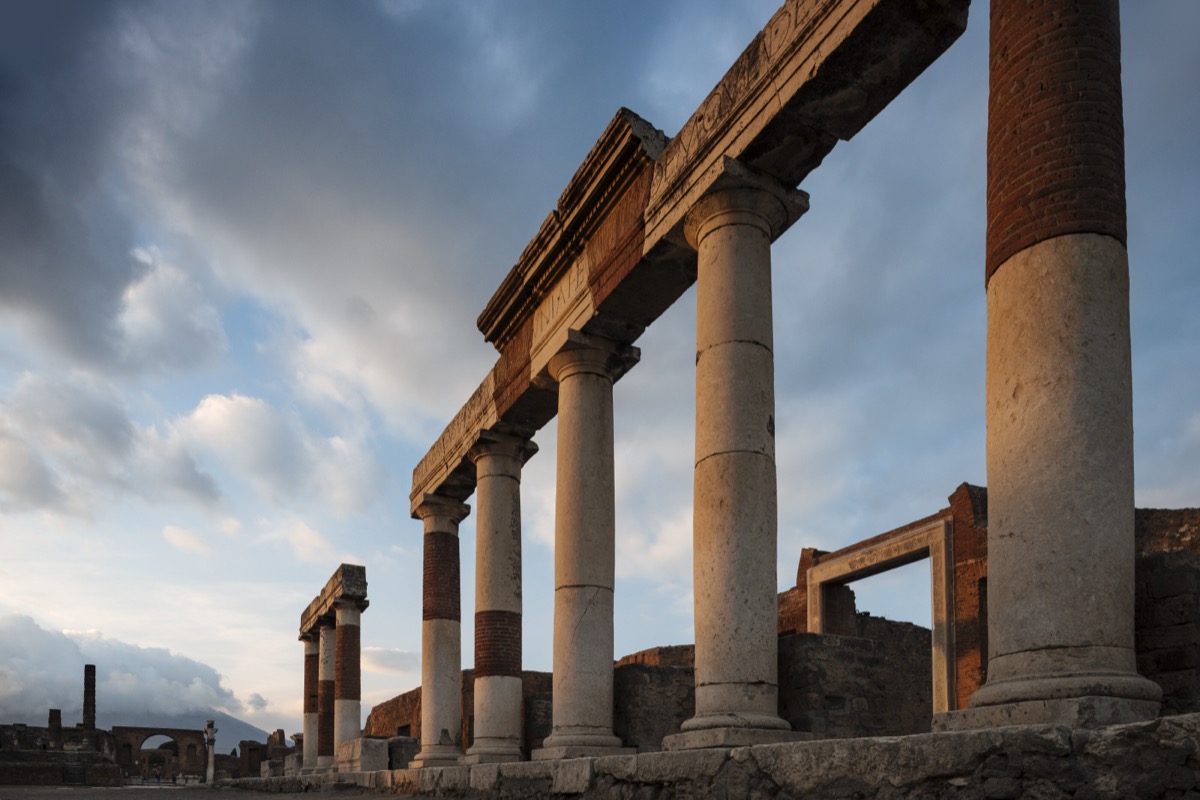
The Ancient Pompeii Amphitheatre: Complete Visitor's Guide 2025
The Ancient Pompeii Amphitheatre: Complete Visitor's Guide 2025. Discover practical tips for your visit. visitor guide, tickets, history of Pompeii
Introduction
Step back in time to 70 BC as we explore the Pompeii Amphitheatre, the oldest surviving Roman amphitheater in the world. This architectural marvel predates even the mighty Colosseum and stands as a testament to Roman engineering brilliance. Today, this remarkably preserved structure continues to captivate visitors with its rich history and impressive scale.
The Historical Significance
A Groundbreaking Achievement
Built in 70 BC during the Roman Republic, the Pompeii Amphitheatre was the first permanent stone amphitheater ever constructed. This revolutionary design would later inspire countless others throughout the Roman Empire, including Rome's famous Colosseum.
Key Historical Facts
- Constructed: 70 BC
- Capacity: 20,000 spectators
- Preserved by: Mount Vesuvius eruption in 79 AD
- Current status: One of the best-preserved ancient Roman structures
Architecture and Design
Innovative Engineering
The amphitheater's design showcases remarkable Roman engineering:
- Elliptical shape measuring 445 by 341 feet
- Two main levels of seating
- Sophisticated crowd control system
- Advanced acoustics
Unique Features
- Original stone seating arrangements
- Well-preserved tunnels and passages
- Internal circulation system
- External support arches
Visiting the Amphitheatre Today
Essential Visitor Information
- Opening Hours: 9:00 AM - 5:00 PM (Winter), 9:00 AM - 7:00 PM (Summer)
- Best Time to Visit: Early morning or late afternoon
- Recommended Duration: 1-2 hours
- Photography: Allowed without flash
Getting There
- Located in Pompeii Archaeological Park's southern section
- Accessible via the Amphitheatre entrance
- 5-minute walk from Pompeii Scavi train station
Expert Tips for Visitors
Making the Most of Your Visit
- Book skip-the-line tickets in advance
- Join a guided tour for historical context
- Visit during off-peak hours
- Wear comfortable walking shoes
- Bring water and sun protection
Photography Recommendations
- Best morning light: 9:00-10:30 AM
- Dramatic shadows: Late afternoon
- Ideal vantage points marked on site maps
Cultural Impact and Legacy
Historical Significance
The amphitheater hosted various events:
- Gladiatorial contests
- Athletic competitions
- Public gatherings
- Theatrical performances
Modern Usage
Today, the amphitheater occasionally hosts:
- Cultural events
- Classical concerts
- Archaeological exhibitions
- Educational programs
Conservation Efforts
Recent Developments
- Ongoing preservation projects
- New archaeological discoveries
- Enhanced visitor facilities
- Digital documentation initiatives
Future Plans
- Advanced protection measures
- Improved accessibility
- Interactive educational exhibits
- Virtual reality experiences
Planning Your Visit
Essential Items to Bring
- Comfortable walking shoes
- Water bottle
- Sun protection
- Camera
- Site map
Nearby Attractions
- House of the Vettii
- Forum of Pompeii
- Temple of Apollo
- Villa of the Mysteries
Conclusion
The Pompeii Amphitheatre stands as a remarkable testament to Roman engineering and cultural achievement. As you walk through this ancient structure, you're not just visiting a historical site – you're experiencing a pivotal piece of human architectural history that has influenced entertainment venues for over two millennia.
Last updated: January 2025 with current visitor information and archaeological findings.
Related Articles: