Discover practical tips for your visit. visitor guide, tickets, history of Pompeii
The Devastating Toll of Mount Vesuvius
When Mount Vesuvius erupted in 79 CE, it created one of history's most well-preserved disasters. But exactly how many people died in Pompeii? Recent archaeological discoveries and scientific research have helped uncover the true human cost of this catastrophic event.
Key Death Toll Statistics
- Pompeii Deaths: Approximately 2,000 confirmed victims
- Total Regional Impact: Estimated 16,000 deaths including Herculaneum and surrounding areas
- Population at Time: 15,000-20,000 inhabitants in Pompeii
- Body Casts Found: Nearly 1,150 discovered to date
The Science Behind the Tragedy
Recent studies have revealed shocking details about how victims died:
- Instant Death: Most victims died from thermal shock
- Temperature Impact: Extreme heat reached 250°C (482°F)
- Time Frame: Death occurred within 15-20 minutes of the pyroclastic surge
- Cause of Death: Primarily asphyxiation and extreme heat exposure
Archaeological Evidence
Modern archaeology has uncovered several key findings:
-
Body Positions
- Sleeping poses suggesting instant death
- Protective stances indicating awareness
- Groups huddled together in final moments
-
Location Patterns
- Indoor shelters
- Street discoveries
- Harbor area concentrations
Survival Stories
Despite the devastating toll, many Pompeians managed to escape. Factors that enabled survival included:
- Early warning signs (earthquakes and smoke)
- Extended eruption timeline (24+ hours)
- Proximity to evacuation routes
- Access to sea transportation
Who Survived?
Archaeological evidence suggests:
- Wealthy citizens with means to travel
- Those who left at first signs
- Residents with access to boats
- People in outlying areas
Visiting Pompeii Today
Essential Visitor Information
- Recommended Visit Duration: 4-6 hours
- Best Times: Early morning or late afternoon
- Combined Tours: Consider visiting Herculaneum
- Guided Options: Expert tours available
What You'll See
- Preserved body casts in original locations
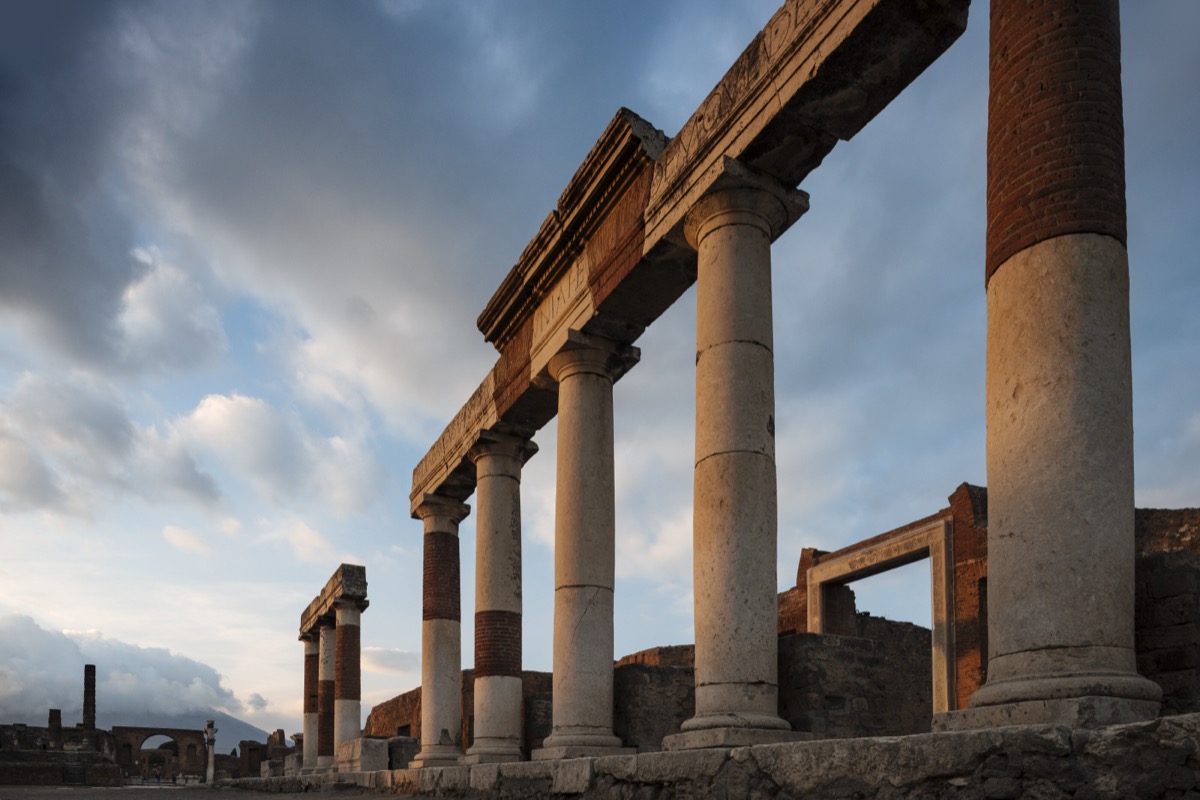
- Ancient Roman streets and buildings
- Archaeological excavation sites
- Personal artifacts and treasures
Modern Implications
The tragedy of Pompeii continues to influence:
-
Volcanic Research
- Improved prediction methods
- Better understanding of pyroclastic flows
- Advanced warning systems
-
Disaster Preparedness
- Evacuation planning
- Risk assessment
- Public education
Conclusion
The estimated 2,000 deaths in Pompeii represent more than just statistics - they provide crucial insights into ancient Roman life and modern disaster prevention. Their legacy continues through ongoing archaeological discoveries and improved volcanic safety measures.
Related Articles: