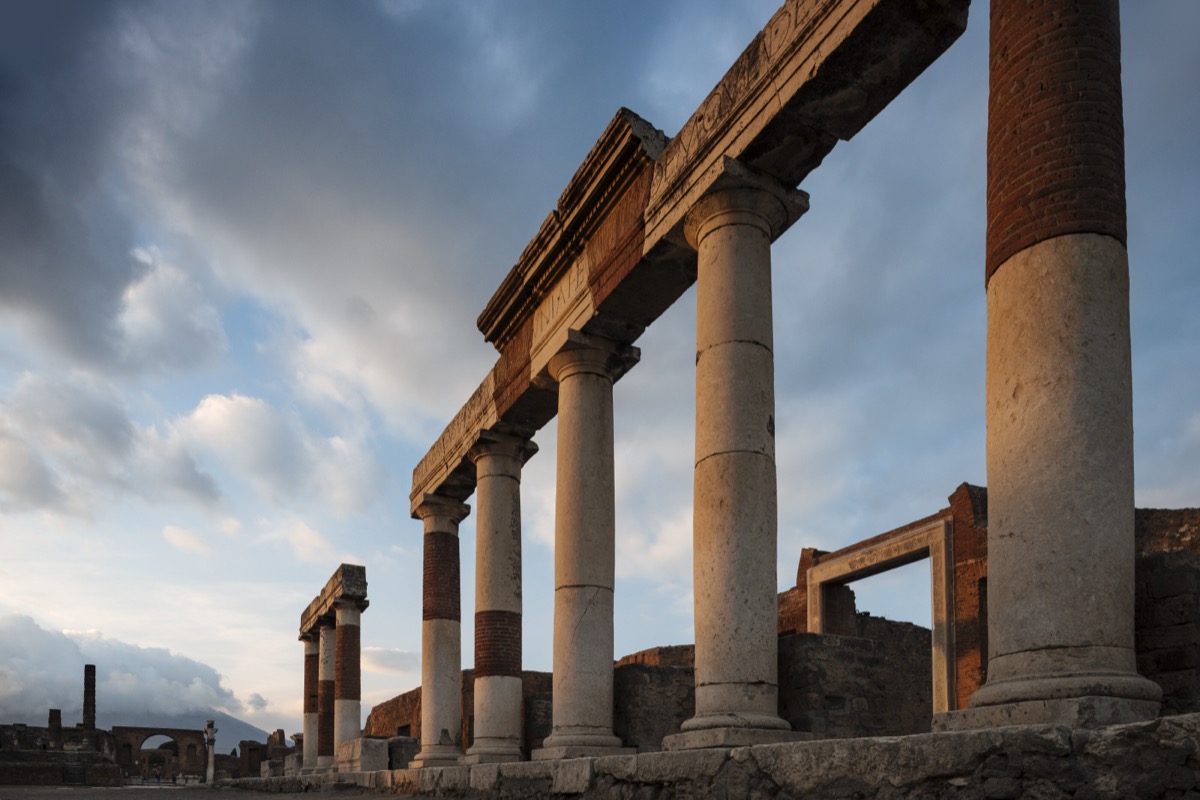
The Complete History of Pompeii: From Foundation to Destruction
The Complete History of Pompeii: From Foundation to Destruction. Discover practical tips for your visit. visitor guide, tickets, history of Pompeii
The history of Pompeii spans centuries of Roman history, from its origins as a modest settlement to its tragic destruction by Mount Vesuvius in 79 AD. This comprehensive guide explores the rich history of the city and the events that shaped its destiny.
Early Settlements and Growth
The first settlements in Pompeii date back to the 8th century BC. Originally inhabited by the Oscans, the city later received Greek and Etruscan influences before becoming part of the Roman Republic's expansion in 80 BC.
Cultural Influences
- Oscan foundations and architecture
- Greek artistic and cultural elements
- Etruscan trading practices
- Roman urban planning and engineering
The Roman Period
Under Roman rule, Pompeii flourished as a prosperous port city. Its strategic location near the Bay of Naples made it an important commercial center, while its fertile volcanic soil enabled agricultural development and wine production.
Economic Development
- Thriving maritime trade
- Agricultural prosperity
- Wine and olive oil production
- Luxury goods manufacturing
Daily Life in Ancient Pompeii
The city was a bustling metropolis featuring:
- Elaborate public buildings and forums
- Sophisticated water systems
- Prosperous markets and shops
- Entertainment venues, including an amphitheater
- Religious temples and shrines
Social Structure
- Wealthy merchants and aristocrats
- Skilled artisans and traders
- Freedmen and slaves
- Religious officials and priests
Architecture and Urban Planning
Pompeii's urban layout reflected sophisticated Roman engineering:
Public Spaces
-
The Forum
- Political gatherings
- Religious ceremonies
- Commercial activities
- Social meetings
-
Entertainment Venues
- Large amphitheater
- Two theaters
- Public baths
- Gladiatorial barracks
Private Buildings
-
Residential Areas
- Luxury villas
- Middle-class homes
- Apartment buildings
- Gardens and courtyards
-
Commercial Districts
- Shops and workshops
- Restaurants and bars
- Markets and warehouses
- Industrial facilities
Cultural and Religious Life
The city maintained a rich cultural and religious environment:
Religious Practices
- Traditional Roman deities
- Egyptian cults (Isis)
- Greek influences
- Local traditions
Cultural Activities
- Theatrical performances
- Gladiatorial games
- Religious festivals
- Athletic competitions
The Fateful Eruption
On August 24, 79 AD, Mount Vesuvius erupted, burying Pompeii under meters of ash and pumice. This catastrophic event, while devastating, ironically preserved the city for future generations to study and explore.
Timeline of Events
- Initial tremors and signs
- Eruption begins
- Ash and pumice fall
- Pyroclastic flows
- Complete burial of the city
Rediscovery and Excavation
Early Excavations
- First discoveries in 1748
- Bourbon period excavations
- Scientific documentation begins
- Major findings and artifacts
Modern Archaeological Work
- Continued discoveries
- Advanced preservation techniques
- New technological applications
- Ongoing research projects
Legacy and Significance
Pompeii's preservation offers unprecedented insights into Roman life:
Historical Value
- Urban development understanding
- Social structure evidence
- Economic systems study
- Religious practice documentation
Archaeological Importance
- Preservation techniques
- Dating methods
- Cultural artifact study
- Ancient technology understanding
Conservation Challenges
Modern efforts focus on preserving this invaluable site:
Current Issues
- Environmental impact
- Tourism pressure
- Structural preservation
- Resource management
Conservation Efforts
- UNESCO protection
- Scientific research
- Restoration projects
- Public education
Visiting Historical Pompeii
For modern visitors, Pompeii offers a unique window into the past:
Key Areas to Explore
- The Forum and public buildings
- Residential districts
- Commercial areas
- Religious temples
- Entertainment venues
Visitor Information
- Guided tours available
- Archaeological museums
- Educational programs
- Research opportunities
Conclusion
Pompeii's history represents a unique confluence of Roman civilization, natural disaster, and archaeological preservation. Its story continues to fascinate and educate visitors from around the world, offering invaluable insights into ancient Roman life and serving as a reminder of nature's power.
Last updated: January 2024 with latest archaeological findings and historical research
Related Articles: