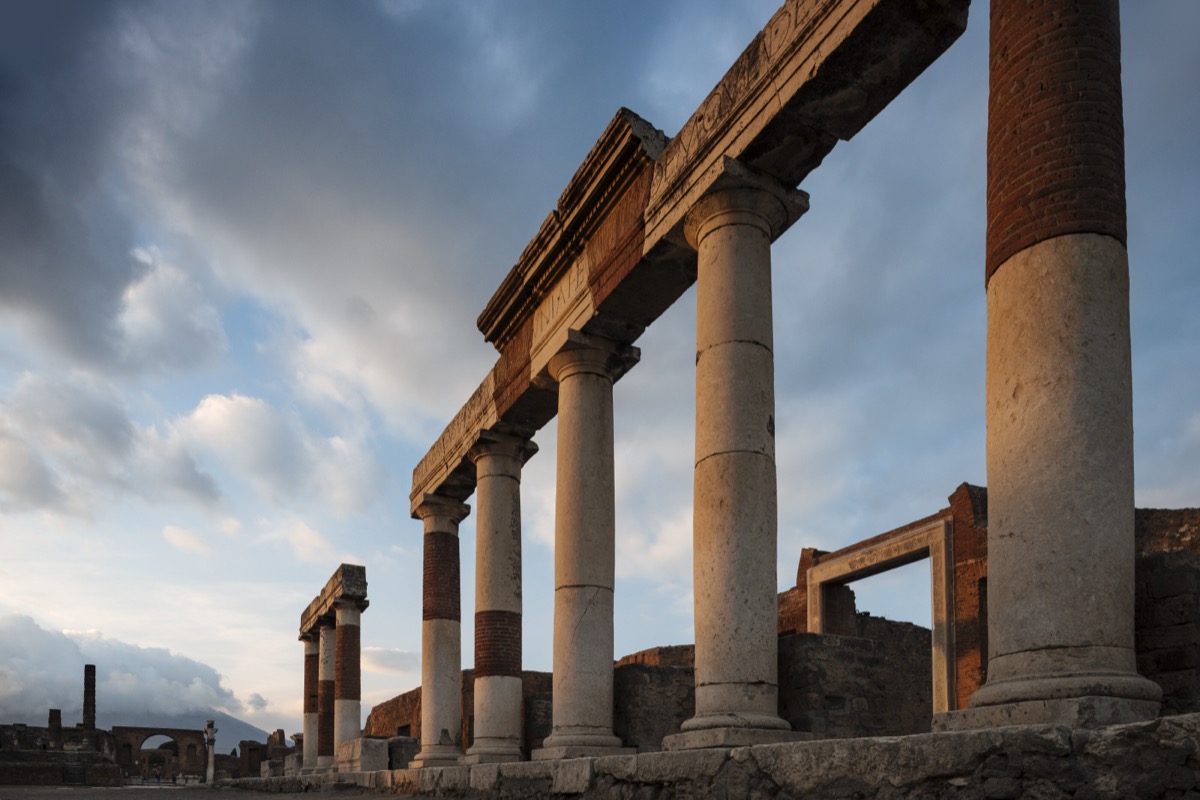
Pompeii archaeological experience
Discover Pompeii ruins guide with practical tips for your visit. visitor guide, tickets, history of Pompeii
Pompeii stands as the world's most extraordinary archaeological window into ancient Roman daily life, where the catastrophic eruption of Mount Vesuvius in 79 AD preserved an entire city in volcanic ash, creating an unparalleled historical treasure that enables visitors to walk through authentic Roman streets, explore preserved homes and businesses, and witness intimate details of daily existence from nearly two thousand years ago. This UNESCO World Heritage site offers modern travelers unprecedented access to ancient Roman civilization through remarkably preserved architecture, artwork, and human remains that tell compelling stories of prosperity, tragedy, and cultural sophistication.
The Pompeii archaeological experience extends far beyond simple sightseeing to encompass comprehensive cultural education about Roman society, urban planning, art, commerce, and daily life that provides context for understanding classical civilization and its influence on contemporary culture. From grand public buildings and luxurious private villas to humble shops and taverns, Pompeii reveals the full spectrum of Roman social life while demonstrating advanced engineering, artistic achievement, and cultural sophistication that challenges modern assumptions about ancient capabilities.
This comprehensive guide reveals strategies for maximizing your Pompeii archaeological experience through expert site navigation, historical context, practical planning advice, and cultural insights that transform casual visits into profound educational journeys through one of history's most significant archaeological sites and cultural heritage destinations.
Understanding Pompeii's Historical Context and Significance
Roman Society and Daily Life in Pompeii
Pompeii flourished as a prosperous Roman city for centuries before the 79 AD eruption, developing sophisticated urban infrastructure, diverse economy, and vibrant cultural life that reflected broader Roman civilization while maintaining distinctive local character and regional influences.
Urban Development and City Planning
Roman urban planning principles created efficient city organization through systematic street grids, public amenities, and zoning that separated residential, commercial, and religious districts while providing infrastructure for water supply, waste management, and public transportation.
Pompeii urban characteristics include:
- Grid street system enabling efficient navigation and urban organization
- Public forum serving as civic, commercial, and religious center
- Amphitheater and theater complexes providing entertainment and cultural programming
- Public bath complexes demonstrating Roman hygiene and social customs
- Aqueduct system supplying fresh water throughout the city
- Commercial districts with shops, taverns, and craft workshops
Social Structure and Economic Activity
Pompeii's preservation reveals detailed evidence of Roman social hierarchy, economic systems, and daily activities that demonstrate the complexity and sophistication of ancient urban life.
Class Structure and Housing Patterns
Archaeological evidence reveals distinct housing patterns that reflect Roman social stratification while demonstrating how different economic classes lived, worked, and interacted within urban environments.
Social class indicators include:
- Patrician villas with elaborate decoration, private gardens, and luxury amenities
- Middle-class houses combining residential and commercial functions
- Apartment buildings housing working-class families and slaves
- Servant quarters and slave accommodations within larger residences
- Public spaces where different social classes interacted and conducted business
- Commercial establishments reflecting diverse economic activities and specializations
Trade and Commerce Networks
Pompeii's strategic location near the Bay of Naples created opportunities for extensive trade networks that connected the city with Mediterranean commerce while supporting diverse local industries and craft production.
Commercial activity evidence includes:
- Import goods from throughout the Roman Empire and beyond
- Local wine production and agricultural processing facilities
- Craft workshops producing pottery, metalwork, and luxury goods
- Banking and financial services supporting commercial transactions
- Market facilities and food distribution systems
- Transportation infrastructure connecting Pompeii with broader Roman trade networks
The 79 AD Eruption and Preservation Process
Mount Vesuvius's catastrophic eruption preserved Pompeii through unique geological processes that buried the city in volcanic material while maintaining structural integrity and organic materials that normally decompose over time.
Volcanic Eruption Timeline and Impact
The Plinian eruption sequence created layers of volcanic deposits that buried Pompeii systematically while preserving different aspects of city life and human activity at the moment of disaster.
Eruption Sequence and Geological Processes
Scientific analysis reveals the eruption's progression through distinct phases that created different preservation conditions while demonstrating the power and speed of volcanic catastrophe.
Eruption phases include:
- Initial pumice fall covering the city in lightweight volcanic material
- Pyroclastic flows delivering superheated gas and debris at devastating speeds
- Ash deposits sealing buildings and preserving organic materials
- Cooling and consolidation creating protective layers over preserved structures
- Chemical processes that fossilized organic materials and human remains
- Atmospheric effects that spread volcanic material across the region
Human Responses and Escape Attempts
Archaeological evidence reveals how Pompeii residents responded to the eruption while documenting failed escape attempts and preservation of human remains that provide intimate insights into the disaster's human impact.
Human evidence includes:
- Body casts showing final moments and emotional responses to disaster
- Evacuation attempts visible through abandoned possessions and escape routes
- Protective behavior including sheltering in buildings and covering faces
- Family groups preserved together during escape attempts
- Individual preservation showing diverse responses to volcanic crisis
- Material evidence of attempts to save valuable possessions during evacuation
Preservation Conditions and Archaeological Value
Pompeii's unique preservation conditions created archaeological opportunities unavailable at other ancient sites while providing unprecedented access to ancient daily life and cultural practices.
Preservation advantages include:
- Organic material preservation including wood, fabric, and food remains
- Complete building preservation showing construction techniques and architectural details
- Artwork and decoration preservation including frescoes, mosaics, and sculpture
- Street-level preservation revealing urban infrastructure and daily activities
- Tool and equipment preservation documenting ancient technology and work practices
- Written material preservation including graffiti, advertisements, and personal messages
Archaeological Site Layout and Major Attractions
Public Buildings and Civic Structures
Pompeii's public buildings demonstrate Roman architectural achievement and civic organization while providing insights into ancient political, religious, and cultural institutions that governed city life.
The Forum: Heart of Roman Public Life
Pompeii's forum served as the city's central gathering place where political, commercial, and religious activities intersected while demonstrating Roman concepts of public space and civic engagement.
Forum Architecture and Urban Design
The forum complex demonstrates sophisticated urban planning principles that created functional public space while expressing political power and cultural values through architectural grandeur and symbolic decoration.
Forum architectural elements include:
- Colonnade architecture creating covered walkways and defined public spaces
- Temple locations demonstrating religious integration with civic and commercial functions
- Administrative building positions showing government organization and public access
- Market facilities integrated with political and religious spaces
- Statue bases and honorific monuments celebrating civic achievement and political power
- Architectural harmony creating unified public space while accommodating diverse functions
Religious Buildings and Sacred Spaces
Pompeii's temples and religious buildings reveal Roman religious practices while demonstrating how spiritual life integrated with civic and commercial activities in ancient urban environments.
Religious architecture includes:
- Temple of Jupiter representing state religion and civic identity
- Temple of Apollo showing Greek cultural influence on Roman religious practice
- Temple of Venus demonstrating patron deity worship and local religious traditions
- Private household shrines revealing personal religious practices and family traditions
- Mystery cult locations showing alternative religious movements and secret societies
- Religious artwork and symbolism expressing spiritual beliefs and cultural values
Entertainment Venues and Cultural Facilities
Pompeii's entertainment infrastructure demonstrates Roman leisure culture while revealing how public entertainment served political, social, and cultural functions in ancient society.
Amphitheater and Gladiatorial Games
Pompeii's amphitheater represents one of the earliest surviving examples of Roman arena architecture while providing evidence of gladiatorial culture and public entertainment that defined Roman social life.
Amphitheater characteristics include:
- Architectural innovation showing early arena design and engineering solutions
- Seating arrangements reflecting social hierarchy and class separation
- Underground facilities for gladiator preparation and animal housing
- Evidence of gladiatorial equipment and fighting techniques
- Graffiti and inscriptions revealing fan culture and popular entertainment
- Social functions beyond entertainment including political demonstrations and community gatherings
Theater Complex and Dramatic Performance
Pompeii's theaters demonstrate Roman appreciation for Greek dramatic tradition while showing how performance culture adapted to Roman social and political contexts.
Theater features include:
- Greek-inspired architecture adapted for Roman performance traditions
- Seating capacity and arrangement accommodating different social classes
- Stage technology and scenic design enabling complex dramatic presentations
- Acoustic engineering optimizing sound quality and audience experience
- Performance programming including comedy, tragedy, and musical entertainment
- Cultural significance connecting Pompeii with broader Mediterranean artistic traditions
Residential Architecture and Domestic Life
Pompeii's preserved houses provide unprecedented insights into Roman domestic life while demonstrating architectural evolution, social customs, and daily activities that defined ancient family and household organization.
Villa Types and Architectural Styles
Pompeii's residential architecture ranges from modest craftsman homes to elaborate patrician villas that demonstrate economic diversity while revealing Roman approaches to privacy, comfort, and social display.
Patrician Villas and Luxury Residences
Wealthy Pompeii residents created sophisticated home environments that combined comfort with social display while demonstrating Roman concepts of hospitality, family life, and aesthetic appreciation.
House of the Vettii: Merchant Prosperity
This exceptionally preserved villa demonstrates how successful merchants created luxurious home environments that rivaled aristocratic residences while expressing personal taste and cultural sophistication.
Villa characteristics include:
- Atrium design creating formal entrance and family gathering space
- Peristyle garden providing private outdoor relaxation and entertaining area
- Elaborate fresco decoration demonstrating artistic patronage and cultural sophistication
- Private dining rooms accommodating formal entertainment and social gatherings
- Service areas and slave quarters revealing household organization and labor systems
- Commercial integration showing how business and domestic life interconnected
Villa of Mysteries: Religious and Cultural Significance
This suburban villa contains some of Pompeii's most significant artwork while providing insights into mystery religions and aristocratic lifestyle outside the city center.
Mystery villa features include:
- Dionysiac mystery fresco cycle depicting religious initiation rituals
- Architectural luxury demonstrating elite lifestyle and cultural patronage
- Rural location providing escape from urban density while maintaining civic connections
- Agricultural integration combining residential luxury with productive farming
- Religious significance showing alternative spiritual practices and beliefs
- Artistic achievement representing pinnacle of Roman wall painting tradition
Middle-Class Housing and Urban Living
Pompeii's middle-class housing demonstrates how merchants, craftsmen, and professionals adapted Roman architectural traditions to urban constraints while creating comfortable family environments.
Middle-class housing characteristics include:
- Compact atrium houses maximizing space efficiency within urban lots
- Commercial-residential combinations enabling business operation from home
- Shared walls and courtyards demonstrating neighborhood cooperation and community
- Modest decoration showing cultural participation within economic limitations
- Multi-generational housing accommodating extended family relationships
- Adaptive use demonstrating flexibility and practical approach to urban living
Commercial Districts and Economic Activities
Pompeii's commercial areas reveal sophisticated economic organization while providing detailed evidence of ancient business practices, trade relationships, and daily economic activities that supported urban life.
Shop Types and Commercial Organization
Pompeii's preserved shops demonstrate diverse economic activities while revealing how ancient commerce organized itself within urban environments and served community needs.
Bakeries and Food Production
Pompeii's bakeries provide complete evidence of ancient bread production while demonstrating food distribution systems and dietary customs that sustained urban populations.
Commercial Baking Operations and Technology
Archaeological evidence reveals sophisticated baking technology and commercial organization that produced bread for thousands of residents while maintaining quality and efficiency standards.
Bakery characteristics include:
- Mill stones and grain processing equipment demonstrating ancient technology
- Oven design and construction showing engineering solutions for large-scale baking
- Bread molds and production tools revealing standardization and quality control
- Storage facilities for grain and finished products enabling inventory management
- Distribution systems connecting bakeries with retail outlets throughout the city
- Worker housing and facilities showing labor organization and business management
Taverns and Hospitality Industry
Pompeii's taverns and hospitality establishments demonstrate ancient service industry while revealing social customs around dining, drinking, and commercial entertainment.
Tavern features include:
- Counter design and food service equipment enabling efficient commercial operation
- Wine storage and serving systems demonstrating beverage distribution and consumption
- Gaming equipment and entertainment facilities showing social functions beyond food service
- Advertising and signage revealing marketing techniques and customer communication
- Neighborhood integration showing how taverns served community social functions
- Economic organization demonstrating small business operation and urban commerce
Craft Workshops and Industrial Production
Pompeii's workshops reveal diverse industrial activities while demonstrating ancient technology, labor organization, and production techniques that supported urban economy and regional trade.
Workshop evidence includes:
- Pottery production facilities showing ceramic technology and artistic traditions
- Metalworking shops revealing tool production and repair services
- Textile workshops demonstrating cloth production and garment manufacturing
- Leather working establishments showing hide processing and goods production
- Glass production evidence revealing luxury goods manufacturing and artistic techniques
- Tool and equipment preservation documenting ancient technology and production methods
Daily Life and Cultural Practices
Social Customs and Family Life
Pompeii's preservation reveals intimate details of Roman family life, social relationships, and cultural practices that demonstrate how ancient people organized their personal and community relationships.
Family Structure and Household Organization
Archaeological evidence reveals Roman family organization while demonstrating how households functioned as economic units and social institutions within broader community structures.
Gender Roles and Domestic Responsibilities
Pompeii evidence shows how Roman society organized gender relationships while revealing women's roles in domestic management, economic activity, and social participation.
Gender role evidence includes:
- Women's quarters and spaces showing domestic authority and responsibility
- Female business ownership and economic participation revealing economic independence
- Religious participation and priestess roles demonstrating spiritual authority
- Educational evidence showing female literacy and cultural participation
- Artistic representation revealing ideal and actual gender relationships
- Legal documents and inscriptions documenting women's legal status and property rights
Child Rearing and Education
Pompeii provides evidence of Roman childhood while demonstrating educational practices and family relationships that shaped individual development and cultural transmission.
Education evidence includes:
- School equipment and educational materials revealing teaching methods and curriculum
- Children's toys and games showing recreational activities and cultural preparation
- Artistic representations of children revealing family relationships and social expectations
- Coming-of-age ceremonies and rituals documenting transitions to adult status
- Child labor evidence showing economic roles and skill development
- Family relationships documented through household organization and burial practices
Religious Practices and Spiritual Life
Pompeii's religious evidence demonstrates Roman spiritual diversity while revealing how religious practices integrated with daily life and community organization.
State Religion and Civic Worship
Official Roman religion provided community identity and political legitimacy while creating shared cultural experiences that unified diverse urban populations.
State religion characteristics include:
- Temple architecture and ritual spaces demonstrating official worship practices
- Priestly roles and religious hierarchy showing spiritual authority and community leadership
- Festival calendar and public ceremonies creating shared cultural experiences
- Imperial cult and political religion connecting local community with broader Roman identity
- Religious law and custom governing social behavior and community standards
- Integration with civic institutions demonstrating religion's political and social functions
Mystery Cults and Personal Spirituality
Alternative religious movements provided personal spiritual experiences while offering community membership and cultural identity outside official state religion.
Mystery religion evidence includes:
- Dionysiac mysteries and initiation practices revealed through artistic representation
- Egyptian and Eastern religious influences showing cultural diversity and religious syncretism
- Private religious spaces and household shrines demonstrating personal spiritual practices
- Religious associations and clubs providing community membership and mutual support
- Magical practices and popular religion revealing folk beliefs and supernatural concerns
- Religious art and symbolism expressing spiritual beliefs and cultural values
Entertainment and Leisure Activities
Pompeii's entertainment culture demonstrates Roman approaches to leisure while revealing how public and private recreation served social, political, and cultural functions in urban life.
Public Entertainment and Spectacle
Roman public entertainment combined recreational enjoyment with political messaging and social control while providing shared cultural experiences that unified diverse urban populations.
Gladiatorial Games and Arena Culture
Pompeii's amphitheater culture reveals the complexity of gladiatorial entertainment while demonstrating how violent spectacle served political, religious, and social functions in Roman society.
Gladiatorial culture includes:
- Training facilities and gladiator schools showing professional warrior preparation
- Equipment and weapons revealing fighting techniques and spectacle organization
- Memorial inscriptions and tombstones documenting gladiator careers and deaths
- Fan culture and popular enthusiasm demonstrated through graffiti and artistic representation
- Political sponsorship and elite competition using games for public influence
- Social functions including religious ritual, military training, and community identity
Theater and Dramatic Performance
Pompeii's dramatic culture adapted Greek theatrical traditions to Roman social and political contexts while providing entertainment and cultural education for diverse audiences.
Theater culture characteristics include:
- Performance programming including comedy, tragedy, and musical entertainment
- Actor training and professional theater companies providing skilled entertainment
- Audience participation and social functions beyond pure entertainment
- Political messaging and social commentary integrated into dramatic performance
- Cultural education and moral instruction through mythological and historical themes
- International cultural exchange connecting Pompeii with broader Mediterranean artistic traditions
Private Recreation and Social Activities
Pompeii evidence reveals diverse private entertainment while demonstrating how leisure activities built social relationships and cultural identity within community networks.
Private entertainment includes:
- Gaming equipment and gambling revealing recreational activities and social interaction
- Musical instruments and performance spaces showing private entertainment and cultural participation
- Garden design and outdoor leisure demonstrating aesthetic appreciation and relaxation
- Dining culture and social eating revealing hospitality customs and relationship building
- Bath culture and social bathing showing hygiene practices and community interaction
- Artistic patronage and cultural consumption demonstrating elite leisure and cultural investment
Art and Architecture Preservation
Fresco Art and Wall Painting Traditions
Pompeii contains the world's largest collection of ancient Roman wall paintings, providing unparalleled insights into artistic techniques, cultural themes, and aesthetic preferences that defined Roman visual culture.
Painting Styles and Artistic Development
Roman wall painting evolved through distinct stylistic periods that demonstrate artistic innovation while revealing changing cultural preferences and technical capabilities over time.
Four Pompeian Painting Styles
Art historians identify four sequential painting styles that show artistic development while providing chronological framework for understanding cultural change and artistic innovation.
Style characteristics include:
- First Style structural imitation creating architectural illusion through painted masonry
- Second Style architectural perspective expanding visual space through painted columns and landscapes
- Third Style decorative elegance emphasizing ornamental design over spatial illusion
- Fourth Style fantastic architecture combining realistic elements with imaginative architectural fantasy
- Technical innovation in pigment use and application methods
- Cultural themes reflecting mythology, daily life, and social values
Mythological and Cultural Themes
Pompeii's frescoes explore diverse mythological and cultural subjects while revealing Roman cultural values, educational content, and artistic sophistication that defined elite cultural participation.
Thematic content includes:
- Greek mythological subjects demonstrating cultural education and artistic sophistication
- Egyptian and Eastern themes showing cultural diversity and religious syncretism
- Historical subjects celebrating Roman achievement and political values
- Genre scenes depicting daily life and social customs
- Landscape painting revealing aesthetic appreciation and artistic technique
- Portrait art documenting individual identity and social status
Technical Analysis and Conservation Challenges
Modern conservation efforts reveal ancient painting techniques while addressing preservation challenges that threaten Pompeii's artistic heritage and archaeological value.
Conservation considerations include:
- Pigment analysis revealing ancient color technology and artistic materials
- Environmental threats including weathering, pollution, and tourist impact
- Conservation techniques balancing preservation with public access
- Digital documentation preserving artistic information for research and education
- International cooperation supporting conservation expertise and funding
- Sustainable tourism managing visitor impact while maintaining educational access
Mosaic Art and Decorative Traditions
Pompeii's mosaics demonstrate sophisticated artistic techniques while revealing decorative preferences, cultural themes, and technical capabilities that defined Roman luxury and artistic achievement.
Mosaic Techniques and Artistic Innovation
Roman mosaic artists developed sophisticated techniques that created artistic masterpieces while demonstrating technical skill and creative innovation within traditional decorative formats.
Opus Tessellatum and Technical Excellence
Traditional mosaic techniques used small stone pieces to create intricate designs while demonstrating mathematical precision and artistic vision that produced lasting decorative art.
Technical characteristics include:
- Stone cutting and preparation requiring specialized skill and artistic training
- Design planning and pattern creation demonstrating mathematical and artistic knowledge
- Color selection and composition revealing aesthetic sophistication and cultural themes
- Installation techniques ensuring durability and visual effect
- Regional variations showing local artistic traditions and material availability
- Artistic collaboration between designers and craftsmen producing complex decorative programs
Emblema and Artistic Centerpieces
Central mosaic panels provided focal points for room decoration while demonstrating artistic excellence and cultural sophistication that marked elite social status and cultural participation.
Emblema characteristics include:
- Mythological subjects requiring cultural education and artistic sophistication
- Technical virtuosity demonstrating artistic skill and training
- Cultural significance revealing social values and educational content
- Integration with architectural design creating unified decorative programs
- Artistic patronage showing elite cultural investment and aesthetic appreciation
- International artistic influence connecting Pompeii with broader Mediterranean artistic traditions
Sculpture and Architectural Decoration
Pompeii's sculptural decoration reveals Roman artistic preferences while demonstrating how public and private art served social, political, and cultural functions in urban environments.
Public Sculpture and Civic Art
Public sculptural programs expressed political values while creating shared cultural experiences that reinforced social hierarchy and community identity through artistic representation.
Portrait Sculpture and Political Representation
Roman portrait tradition combined artistic excellence with political messaging while creating individual representation that served both personal commemoration and public instruction.
Portrait characteristics include:
- Imperial portraiture expressing political loyalty and cultural identity
- Private portraiture documenting individual achievement and social status
- Artistic realism revealing Roman aesthetic preferences and cultural values
- Technical excellence demonstrating sculptural skill and artistic training
- Political functions connecting individual identity with broader social and political structures
- Cultural significance showing elite participation in Roman artistic traditions
Religious Sculpture and Sacred Art
Religious sculptural programs expressed spiritual beliefs while creating sacred space and community identity through artistic representation of divine and mythological subjects.
Religious art includes:
- Divine representation showing religious beliefs and cultural values
- Mythological subjects providing cultural education and spiritual instruction
- Ritual objects and ceremonial art supporting religious practice and community worship
- Architectural integration creating sacred space and spiritual atmosphere
- Cultural syncretism revealing religious diversity and cultural exchange
- Artistic excellence demonstrating religious importance and community investment
Planning Your Pompeii Archaeological Experience
Practical Preparation and Site Navigation
Successful Pompeii visits require strategic planning that balances comprehensive site exploration with practical considerations including time management, physical demands, and educational preparation that maximizes learning opportunities.
Pre-Visit Research and Educational Preparation
Understanding Pompeii's historical context and archaeological significance enhances site experience while providing framework for interpreting archaeological evidence and cultural significance.
Historical Background and Cultural Context
Comprehensive historical knowledge enables deeper appreciation while providing context for understanding archaeological evidence and cultural significance that transforms simple sightseeing into educational experience.
Preparation topics include:
- Roman history and political development providing context for Pompeii's cultural significance
- Archaeological methods and interpretation techniques enabling critical evaluation of evidence
- Artistic and architectural traditions explaining cultural achievement and aesthetic values
- Daily life and social customs providing human context for archaeological remains
- Economic and commercial systems explaining urban organization and community function
- Religious and spiritual practices revealing cultural values and community identity
Site Maps and Navigation Planning
Strategic site navigation maximizes limited time while ensuring comprehensive coverage of significant archaeological areas and cultural attractions within Pompeii's extensive ruins.
Navigation considerations include:
- Priority site identification focusing on most significant archaeological and cultural areas
- Walking route planning minimizing backtracking while optimizing site coverage
- Time allocation ensuring adequate exploration of major attractions and cultural areas
- Physical demands assessment preparing for extensive walking and challenging terrain
- Weather considerations affecting comfort and site accessibility throughout the year
- Group coordination and meeting points enabling organized exploration for multiple visitors
Seasonal Considerations and Optimal Timing
Pompeii visits vary significantly with seasons while weather conditions, tourist crowds, and site accessibility affect experience quality and educational opportunities.
Weather and Climate Considerations
Mediterranean climate creates seasonal variation that affects site comfort while influencing optimal timing for archaeological exploration and educational activities.
Summer Visit Advantages and Challenges
Summer provides extended daylight and warm weather while creating challenges including extreme heat, large crowds, and reduced site comfort that require strategic planning.
Summer considerations include:
- Early morning arrival avoiding peak heat and largest tourist crowds
- Sun protection and hydration essential for comfort and safety during extended site exploration
- Extended daylight hours enabling comprehensive site coverage and detailed exploration
- Peak tourist season creating crowded conditions and reduced educational intimacy
- Higher accommodation and service costs during peak tourist demand
- Enhanced tour and educational programming offering diverse learning opportunities
Winter Visit Benefits and Limitations
Winter visits provide cooler temperatures and reduced crowds while creating limitations including shorter daylight hours and potential weather disruptions affecting site accessibility.
Winter advantages include:
- Comfortable temperatures enabling extended walking and detailed site exploration
- Reduced tourist crowds providing intimate educational experience and better photographic opportunities
- Lower accommodation costs and service availability during off-peak tourism periods
- Enhanced guide availability and personal attention improving educational quality
- Seasonal atmospheric conditions creating unique photographic and aesthetic experiences
- Potential weather disruptions affecting transportation and site accessibility
Tour Options and Educational Programs
Pompeii offers diverse tour options and educational programs that provide different levels of expert interpretation while accommodating various interests, time constraints, and educational goals.
Guided Tour Types and Educational Approaches
Professional guided tours provide expert interpretation while offering structured educational experiences that reveal archaeological significance and cultural context often missed during independent exploration.
Archaeological Expert Tours and Academic Programs
Specialized tours led by archaeologists and historians provide detailed scientific interpretation while offering access to ongoing research and conservation efforts that enhance understanding of archaeological methods.
Expert tour characteristics include:
- Professional archaeological interpretation explaining excavation methods and scientific discoveries
- Access to restricted areas and ongoing research projects normally closed to general visitors
- Detailed historical and cultural context connecting archaeological evidence with broader Roman civilization
- Technical discussion of conservation challenges and preservation methods protecting Pompeii's heritage
- Academic networking opportunities connecting visitors with ongoing research and educational institutions
- Specialized focus areas including art history, urban planning, social history, or technological development
Small Group and Private Tours
Intimate tour experiences provide personalized attention while enabling customized educational content that addresses specific interests and educational goals within flexible timing.
Private tour benefits include:
- Customized itinerary development focusing on specific interests and educational priorities
- Flexible timing enabling detailed exploration of personally significant archaeological areas
- Personal attention and interactive discussion enhancing educational engagement and understanding
- Photography opportunities and technical discussion supporting documentation and personal learning
- Family-friendly adaptation accommodating diverse age groups and educational levels
- Specialized access and behind-the-scenes opportunities through guide connections and expertise
Audio Tours and Self-Guided Options
Independent exploration options provide flexibility while offering educational content that enables personal pacing and selective focus on individually interesting archaeological areas and cultural topics.
Digital Technology and Educational Enhancement
Modern technology enhances self-guided exploration while providing multimedia educational content that brings archaeological evidence to life through reconstruction and historical interpretation.
Digital tour features include:
- Augmented reality applications showing site reconstruction and historical visualization
- GPS-guided navigation providing location-specific educational content and historical information
- Multilingual audio content accommodating international visitors and diverse language needs
- Interactive maps and educational games engaging younger visitors and diverse learning styles
- Historical timeline integration connecting archaeological evidence with broader historical development
- Photography and documentation tools supporting personal learning and memory preservation
Combining Pompeii with Regional Attractions
Pompeii's location within the Campania region enables combination visits that provide comprehensive understanding of ancient Roman culture while exploring related archaeological sites and contemporary cultural attractions.
Mount Vesuvius and Geological Education
Vesuvius exploration provides geological context for Pompeii's destruction while offering spectacular views and educational opportunities about volcanic activity and natural disaster impact.
Volcano Hiking and Geological Tours
Vesuvius hiking experiences combine physical recreation with geological education while providing dramatic views and scientific understanding of volcanic processes that created Pompeii's preservation.
Vesuvius tour elements include:
- Geological interpretation explaining volcanic activity and eruption processes
- Historical timeline connecting geological events with archaeological evidence
- Environmental impact discussion addressing contemporary volcanic monitoring and risk assessment
- Physical hiking experience providing recreation and dramatic landscape appreciation
- Photography opportunities capturing volcanic landscape and regional geography
- Scientific education supporting understanding of natural processes and environmental change
Herculaneum and Comparative Archaeological Experience
Herculaneum provides contrasting archaeological experience while demonstrating different preservation conditions and social contexts that complement Pompeii's archaeological evidence.
Herculaneum characteristics include:
- Superior preservation of organic materials including wood and paper documents
- Different social composition revealing aristocratic lifestyle and luxury residential architecture
- Smaller site size enabling detailed exploration and intimate archaeological experience
- Ongoing excavation work demonstrating contemporary archaeological methods and discoveries
- Cultural comparison opportunities highlighting regional variation and social diversity
- Combined ticket options enabling efficient dual-site exploration and comparative understanding
Naples Archaeological Museum and Artifact Collections
Naples museum houses Pompeii's most significant artifacts while providing climate-controlled environment for preservation and detailed examination of archaeological treasures.
Museum visit benefits include:
- Artifact preservation enabling detailed examination of objects removed from Pompeii for conservation
- Educational context and interpretation explaining archaeological significance and cultural meaning
- Comprehensive collection overview providing systematic understanding of Roman material culture
- Conservation demonstration showing preservation techniques and archaeological methods
- Research facilities and scholarly resources supporting advanced study and educational development
- Climate-controlled environment ensuring artifact preservation while enabling public access
Conclusion: Connecting with Ancient Rome Through Pompeii
Pompeii archaeological experience offers unparalleled opportunities to connect directly with ancient Roman civilization while gaining profound insights into human experience, cultural achievement, and historical continuity that links contemporary life with classical foundations. Understanding Pompeii requires approaching the site with respect for its cultural significance while maintaining curiosity about human experience and historical development that transcends simple tourism.
The site's unique preservation enables intimate connection with ancient people through their homes, artwork, and daily possessions while providing evidence of human creativity, community cooperation, and cultural sophistication that challenges modern assumptions about ancient capabilities and achievements. Success requires balancing historical education with personal reflection while supporting conservation efforts that preserve this irreplaceable cultural heritage for future generations.
Pompeii archaeological experience provides educational value that extends throughout life while inspiring continued learning about classical civilization, archaeological methods, and cultural heritage preservation that connects personal experience with broader human story and historical development. Whether focusing on art, architecture, social history, or archaeological science, Pompeii offers transformative learning opportunities that enhance understanding and appreciation of human cultural achievement.
Start planning your Pompeii archaeological experience today by researching historical background and cultural context while considering seasonal timing and tour options that match your educational interests and travel preferences. Prepare for extensive walking and outdoor exploration while maintaining respect for archaeological preservation and site regulations that protect this invaluable cultural heritage.
The future of Pompeii depends on balancing educational access with preservation needs while supporting ongoing research and conservation efforts that protect archaeological evidence for continued study and public education. By choosing responsible tourism and supporting heritage preservation, visitors contribute to maintaining Pompeii's availability for future generations while participating in ongoing cultural conversation about human achievement and historical significance.