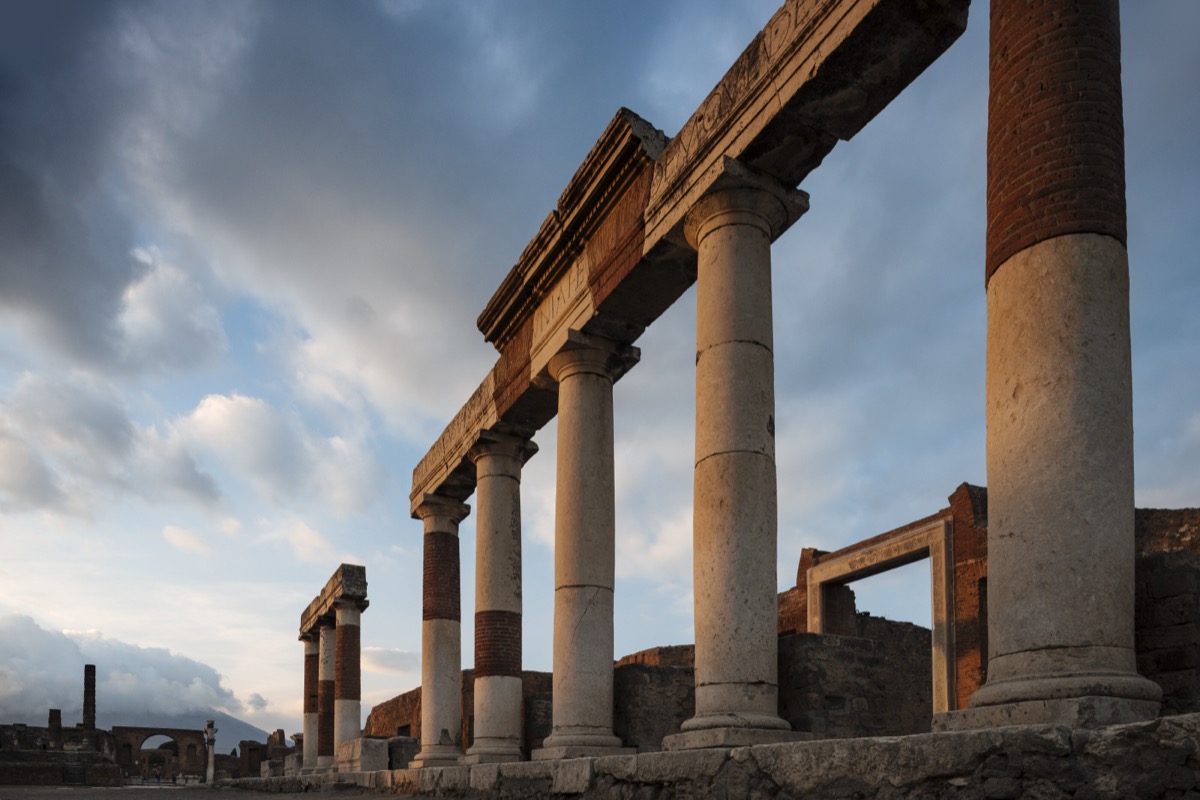
Latest Archaeological Discoveries in Pompeii: Unveiling Ancient Roman Life
Latest Archaeological Discoveries in Pompeii: Unveiling Ancient Roman Life. Discover practical tips for your visit. visitor guide, tickets, history of Pompeii
Modern archaeology continues to unearth new treasures in Pompeii, providing fresh insights into Roman life. Here are some of the most significant recent discoveries that have revolutionized our understanding of this ancient city.
The Thermopolium of Regio V: A Perfectly Preserved Ancient Roman Snack Bar
In 2020, archaeologists uncovered an exceptionally preserved hot food and drink counter, complete with detailed frescoes and food remains. This discovery provides an unprecedented glimpse into Roman street food culture.
Remarkable Preservation
The counter's frescoes remain vibrant with detailed depictions of:
- A Nereid (sea nymph) riding a seahorse
- Still life scenes featuring poultry and game
- Detailed illustrations of foods and beverages once served
Food Remnants Analysis
Analysis of food remains found in dolia (terracotta vessels) revealed:
- Remnants of pork, fish, snails, and beef
- Wine mixed with fava beans
- Ground fish bones used for garum (fish sauce)
The Ceremonial Chariot: A Remarkable Discovery
A ceremonial chariot discovered in 2021 at Villa Civita Giuliana represents one of the most significant recent finds. This four-wheeled processional chariot features bronze and tin medallions depicting erotic scenes.
Notable Features
- Iron components
- Bronze and tin decorations
- Mineralized wooden remains
- Imprints of organic materials
- Rope traces used for ceremonial decoration
Historical Significance
The chariot was likely used for:
- Wedding ceremonies
- Processional events
- Celebrations honoring Venus, Pompeii's patron deity
House of Chastity: New Archaeological Insights
Recent excavations revealed new details about this famous bakery building:
- Perfectly preserved frescoes showing banquet scenes
- Evidence of earthquake repairs from 62 AD
- Complete bakery facilities
- Horse skeletal remains in the stable area
Garden of the Fugitives: Botanical Research
New botanical research has revealed:
- Over 150 root cavities from ancient trees
- Evidence of ancient vineyard management
- Garden planning and irrigation systems
- Pollen samples showing seasonal blooming patterns
Modern Archaeological Technologies
Current archaeological techniques now include:
-
3D Scanning and Modeling
- Creation of detailed digital reconstructions
- Virtual reality experiences of ancient spaces
- Preservation of fragile artifacts through digital recording
-
Ground Penetrating Radar
- Identification of buried structures
- Mapping of underground water systems
- Detection of void spaces indicating potential finds
-
DNA Analysis of Remains
- Population migration patterns
- Family relationships among victims
- Diet and health information
- Animal and plant species identification
-
Advanced Conservation Methods
- Laser cleaning techniques
- Climate-controlled storage systems
- Non-invasive restoration procedures
- Preventive conservation strategies
Recent Discoveries (2022-2024)
The Slave Quarter
- Perfectly preserved room with three beds
- Personal items including amphorae
- Evidence of slave living conditions
Middle-Class House
- Decorated walls with mythological scenes
- Complete furniture remains
- Household items including bronze vessels
- Storage room with amphorae
Ongoing Research
Current excavations reveal new aspects of Pompeian life, from social structures to architectural innovations. These discoveries help build a more complete picture of Roman lifestyle in ancient times.
Current Projects
- Great Pompeii Project expansion
- Regio V and IX excavations
- Digital mapping initiative
- Conservation of newly discovered areas
Future Directions
- AI implementation in artifact analysis
- Enhanced drone technology usage
- Development of non-invasive excavation methods
- Integration of citizen science projects
Conservation Challenges
The site faces ongoing challenges:
- Environmental conditions affecting preservation
- Tourism impact on ancient structures
- Climate change threats
- Resource allocation for conservation
Solutions in Progress
- Installation of new protective structures
- Implementation of smart monitoring systems
- Development of sustainable tourism practices
- International collaboration for preservation